Get Full Government Meeting Transcripts, Videos, & Alerts Forever!
Get email alerts on the Supportive Housing topic
No spam. Unsubscribe anytime.
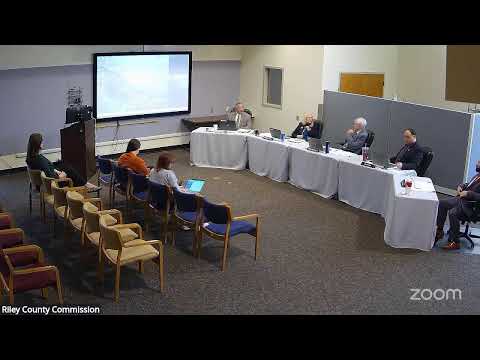
Be Able tells Riley County commissioners supportive-housing program houses 15 men, aims to expand
Summary
Representatives from Be Able reported that their supportive-housing initiative currently houses 15 men, recently graduated two into year-long leases, and plans to expand capacity to 24 by December or January; presenters outlined program rules, case management and a typical rent of $130 per week.
Representatives from Be Able told the Riley County Commission on Nov. 24 that their supportive-housing initiative, focused on men in recovery, currently houses 15 individuals and has a planned capacity of 24 units. Presenters said two recent program graduates moved into year-long leases in Manhattan.
"Currently, we have 15 gentlemen living in our housing program," Scott Vuce said, and the group noted they expect to reach capacity in December or January. Jared Garen, operations director, described program staffing that includes a housing director, daytime case manager and mentors, and emphasized individualized case plans that address employment, health care and sobriety supports.
Program rules described at the meeting require prospective residents to demonstrate commitment to sobriety, undergo background screening and show fit for the model. The presenters said they intentionally place two residents per room in order to build accountability and that typical rent is $130 per week, with built-in individualized grace periods to help new residents stabilize.
Jared Garen said the organization hired a housing director, Chad Warmstadt, who brings lived experience and now works with participants. Presenters said the program began operating in phases (one speaker referenced launching in May; another said they opened in September 2020) and that renovations on a third property were recently completed.
Why it matters: supportive housing that includes case management, mentorship and transition planning can be a bridge for people leaving homelessness or incarceration. Be Able’s model emphasizes daily structure, sobriety supports and individualized plans intended to move residents into stable leases.
Next steps: Be Able asked for ongoing engagement and suggestions from the commission; commissioners thanked the presenters and offered continued local support.