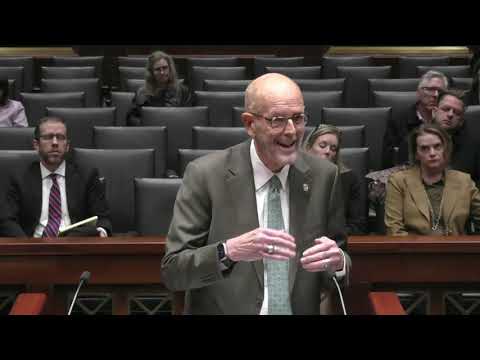
Supreme Court of Texas hears argument on whether trial materials and testimony may be used in related malpractice suits
Loading...
Summary
At oral argument the petitioners’ counsel urged the court to limit use of trial materials and testimony in later civil malpractice claims and disputed whether the pleadings establish an attorney-client relationship. The transcript supplied is partially garbled and several names and citations are unclear.
An unnamed counsel arguing for the petitioners told the Supreme Court of Texas that the record and witness testimony at issue should not be used to decide a related civil malpractice claim without clear factual support in the pleadings.
“I represent the petitioners in this matter,” the advocate told the court, framing the dispute as one about the proper procedural vehicle and the evidentiary boundaries for civil claims that implicate attorney conduct.
The argument focused on two linked questions: whether the complaint sufficiently pleads an attorney-client relationship and whether testimony or hearing transcripts may be used against an attorney in a subsequent civil action. Counsel pressed the court to recognize factual disputes in the record (citing page 524 of the record) and argued that the pleadings and available materials present genuine factual issues that should preclude early dismissal.
Counsel also raised the broader concern that, if permitted too broadly, the use of prior testimony and internal trial materials could effectively force attorneys to defend strategy and judgment outside the criminal-defense context where different safeguards may apply. “I think anything that, arguably touches on an attorney’s skill, knowledge, [or] experience … is part of the …” the advocate said, emphasizing the interplay between counsel conduct and malpractice claims.
During the argument counsel referenced a respondent brief (page 17 of Emerick’s brief) and disputed whether the opposing party’s answer omitted allegations critical to the malpractice theory. The transcript contains several garbled passages and unclear citations; the record provided here does not reliably identify every case name or all speakers mentioned during argument.
The court and counsel also discussed procedural tools raised by the parties, including references to Rule 91a and affirmative defenses, and whether those mechanisms are appropriate to resolve the issues at this stage of litigation. The argument continued through the end of the provided transcript and no decision or resolution is recorded in these segments.
Because the supplied transcript is partial and contains unclear or garbled names and citations, additional context from the full oral-argument recording or the parties’ briefs would be required to map the argument precisely to precedents cited and to confirm the spellings of case names referenced on the record.