Get Full Government Meeting Transcripts, Videos, & Alerts Forever!
Get email alerts on the Agriculture Farmland Loss topic
No spam. Unsubscribe anytime.
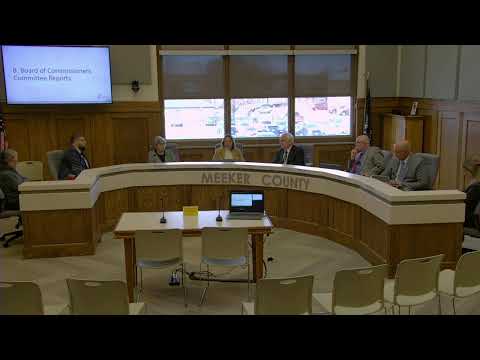
Meeker County FFA team warns of decades-long farmland loss, urges local planning
Summary
A Future Farmers of America team told the Meeker County Board of Commissioners on Nov. 18 that the county and state have lost large swaths of productive farmland to development, solar projects and sprawl, and urged more tools to preserve high-quality agricultural land.
Members of a Future Farmers of America (FFA) team told the Meeker County Board of Commissioners on Nov. 18 that the county and state have lost substantial amounts of farmland and urged local leaders to consider additional measures to protect agricultural land.
The students, introduced by Kevin Goldman and accompanied by advisor Larry Marquette, presented research they will use at state competition and described farmland trends in Meeker and greater Minnesota. They cited county and regional figures and said much high-quality cropland has been converted to housing, roads and other development over recent decades.
The presentation highlighted drivers such as urban sprawl, low-density housing, highway and roundabout construction, and the conversion of farmland to utility-scale solar. Presenters noted existing tools including the green acres tax program, agricultural land preservation programs and FarmLink, but argued those efforts have not halted the overall decline in productive acreage.
Commissioners and other attendees discussed trade-offs between private property rights and regulatory approaches. Some commissioners emphasized the importance of the county’s comprehensive land-use plan and its role in guiding where growth can occur; others warned against overregulation and stressed property owners’ ability to sell land. Several participants raised solar development as a particular challenge, noting that current leases may be temporary but can effectively remove land from production for decades.
The students asked for feedback before state competition; commissioners praised the presentation, suggested minor technical edits, and discussed how local planning and county zoning intersect with the issues raised. The presentation closed with logistical discussion about student portfolios and documentation for the contest.
The board did not adopt any policy at the meeting; the farmland discussion was presented for information and to solicit feedback.