
LA JOYA ISD hears audit update, consultants point to internal‑control gaps and a multi‑year forecast
Get AI-powered insights, summaries, and transcripts
Subscribe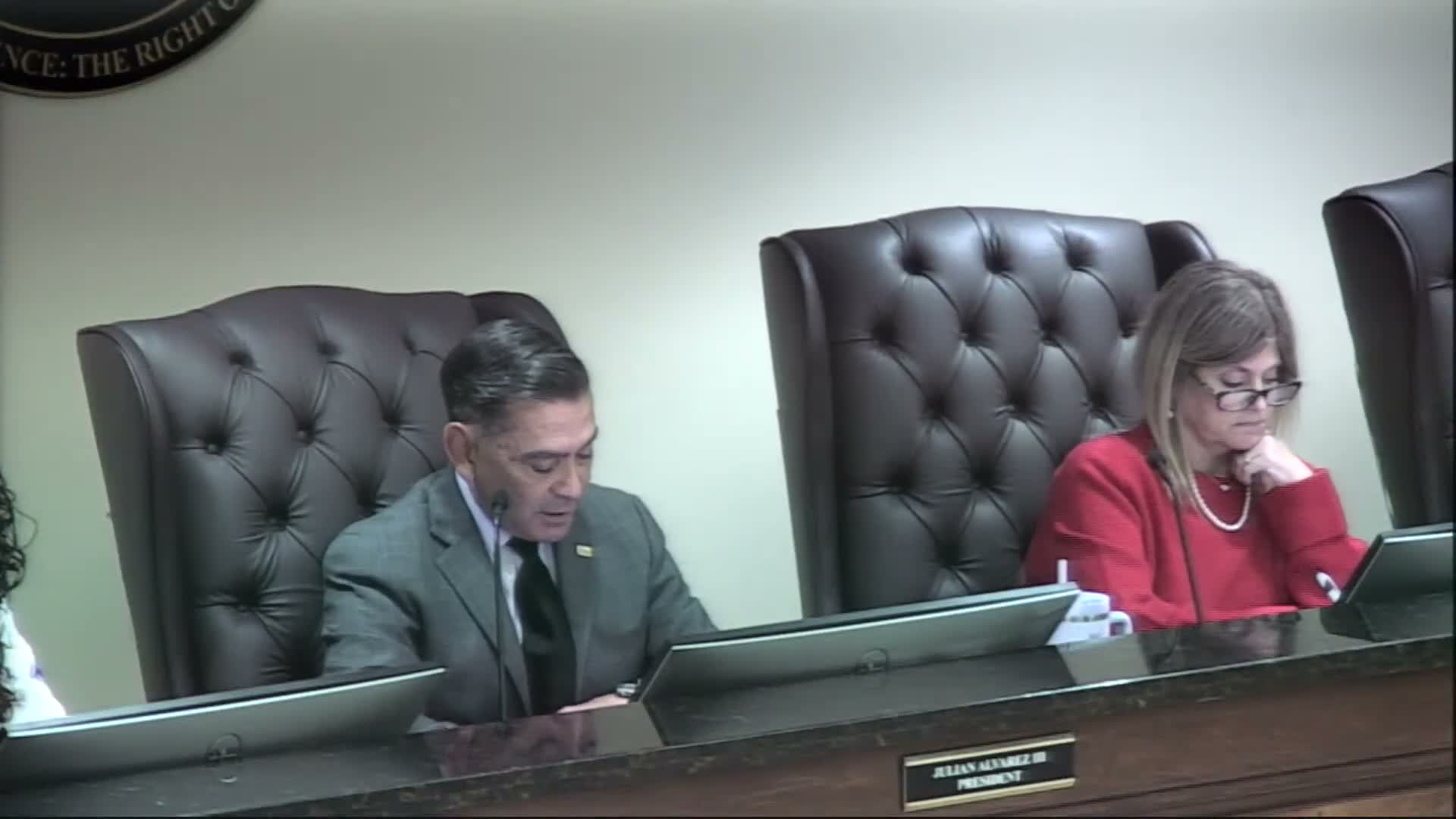
Summary
Consultants presented a Phase 2 financial audit update outlining purchase‑order overages, a phishing‑related control failure and a five‑year forecast model; they recommended procurement, documentation and training steps and said roughly 40% of controls work is on track after six months.
Consultants presented a Phase 2 financial audit update to the LA JOYA ISD Board of Trustees, saying the district has made measurable progress but still faces material control gaps.
Marjette Crespo introduced representatives Brooke Hawkins and Michael (Mike) Potter, who described targeted reviews that uncovered purchase‑order overages, insufficient invoice documentation and control failures related to a phishing incident. "The key here with internal controls is the prevention of waste, fraud, and abuse," Brooke Hawkins said during the presentation.
Potter said the consulting team delivered a financial forecast template extending to fiscal 2030 so the district can model different scenarios — for example, the district can estimate how proposed pay increases would affect deficits and cash balances. He added the team supported a staffing analysis and a reporting suite for monthly budget‑vs‑actual monitoring.
The consultants said about 40% of internal‑controls exit criteria are on track across a multi‑year baseline; the remaining items are in progress or not yet started. They flagged the largest purchase‑order overage categories as district‑wide line items, employee benefits, child nutrition, human resources and transportation and said more detailed support documentation is often missing.
Board members asked for specifics about the scale of overages. Vice President Anita Chavez asked whether "$14,000,000 in overages in just one year" was correct; consultants confirmed the figure and explained overages can arise when final invoices exceed original quotes or when payment request forms are used instead of purchase orders.
Consultants recommended concrete next steps: formalize document‑retention policies, enforce procurement checklists and 3‑way receipt verification, limit the use of payment request forms, strengthen vendor due diligence and continue training for approvers. They said many items could be closed within 12–18 months and that several changes depend on modernizing HR and ERP workflows.
Board members and the superintendent emphasized the role of culture change and training alongside technical fixes. Potter said the goal is not to eliminate every exception but to ensure exceptions follow narrow, well‑documented approval paths to preserve accountability.
The board did not take formal action on the audit presentation at the meeting; consultants said they expect continued work with district staff and a follow‑up review after a full year of data.