Get Full Government Meeting Transcripts, Videos, & Alerts Forever!
Get email alerts on the Transit topic
No spam. Unsubscribe anytime.
Valley Regional Transit urges Star to back local funding as it outlines expansion plans
Summary
Valley Regional Transit CEO Elaine Clegg told the Star City Council that better transit could reduce congestion and improve affordability, urged voluntary local contributions and signaled the board may seek levy authority subject to voter referendum.
Valley Regional Transit CEO Elaine Clegg told the Star City Council on Nov. 18 that improved regional transit could reduce congestion and produce economic returns, and she urged the city to consider direct contributions to sustain demand-response service and support potential fixed routes.
Clegg said VRT's analysis shows at least a 3-to-1 return on investment for every dollar spent and described services that currently reach parts of the Treasure Valley but not fixed-route service in Star. "For every dollar invested, there's $3 in economic benefit," she said, framing transit as a tool that can improve independence and affordability for residents who do not drive.
Why it matters: Star has no fixed-route service today and relies on VRT's Beyond Access demand-response program for older adults and people with disabilities. Clegg said Star riders account for an outsized share of Beyond Access trips and that reductions in local support threaten continuity of that service. She also said some AAA funding that helped the program was cut roughly in half.
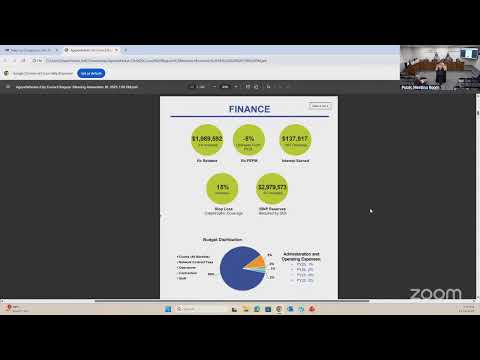
Clegg outlined funding options and policy steps under consideration. She said VRT receives federal formula funds for operations but depends on voluntary local contributions for most local revenue. The VRT board is considering proposing legislation to allow a local levy, which would require a referendum and voter approval, while simultaneously pursuing non-tax revenue such as advertising, sponsorships and public-private partnerships.
VRT's near- and medium-term planning includes potential fixed-route service along Highway 44 and on-demand systems like those recently expanded in Nampa and Caldwell. Clegg said the agency is studying express connections (including a possible corridor along Highway 16) and is exploring partnerships that could provide capital or operating offsets. She noted Amtrak and Federal Rail Administration studies place Boise and the valley on maps for long-distance service sequencing, creating potential future regional rail opportunities.
Council reaction was receptive. Several members suggested Star's highway junctions and growth make it a logical regional hub and asked how the city could help plan or fund service. Clegg said any levy would be subject to public referendum and indicated the board plans to open a public discussion of pros and cons before seeking legislation.
Next steps: Clegg encouraged voluntary local contributions to maintain Beyond Access service and said VRT will continue outreach; council members indicated interest in further conversations about regional planning and possible budget support.