
Local leaders press for juvenile‑justice fixes and more treatment beds in wake of 2016 code changes
Get AI-powered insights, summaries, and transcripts
Subscribe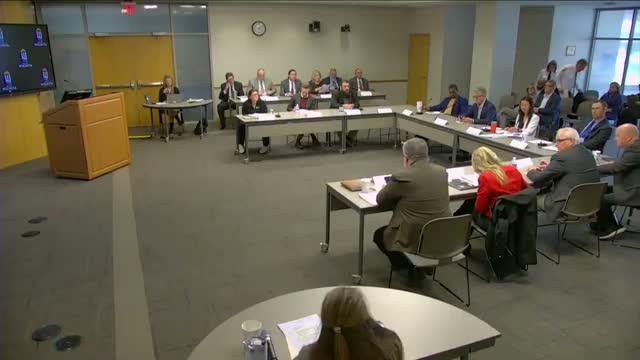
Summary
During the en banc, the Sedgwick County district attorney and elected officials urged legislative action to address juvenile crime trends they link to the 2016 juvenile justice code changes and described pending bills that would increase detention limits, penalties for firearm use by juveniles and placements in residential beds.
District Attorney Mark Bennett and other leaders used the Oct. 29 en banc to urge collaborative action on juvenile‑justice reforms they say are needed after the 2016 rewrite of Kansas juvenile code (often referenced as SB 367).
Bennett described a range of consequences he attributes to the earlier reforms, including a decline in available group‑home or criminogenic residential placements and a growing number of juveniles arrested with handguns. "How many youth last year were booked into Jayhawk in possession of a handgun? The answer was 200," Bennett said, citing county booking data. He warned that the system lacks secure placement options for higher‑risk juveniles and that some judges and correction staff feel constrained by current juvenile code.
Bennett and other officials said they support House Bill 2329 (combined legislative language from related bills), which would raise detention limits, increase penalties for juveniles who use firearms, authorize placements in certain residential facilities and require the state to fund those placements from evidence‑based program accounts. The district attorney and law‑enforcement officials who testified in favor of the bill said it would create between 35 and 45 criminogenic placement beds statewide and provide judges with more sentencing options, though the bills still have unresolved technical and funding questions.
Council and commission members agreed on the need for a coordinated city‑county legislative approach and asked for representation in working groups hosted by state legislators and stakeholders. Bennett said a closed‑door stakeholder meeting was scheduled the day after the en banc to work through bill details and asked that a city council delegate attend by invitation.
Officials also discussed foster‑care capacity, child‑welfare funding and the need to direct savings from past juvenile facility closures toward prevention and placement programs. No formal legislative action was taken at the en banc; leaders said they would return to local legislative agendas and testify as bills move through committees.