
Five candidates make pitches to fill Wheat Ridge District 3 seat; council to appoint Dec. 8
Get AI-powered insights, summaries, and transcripts
Subscribe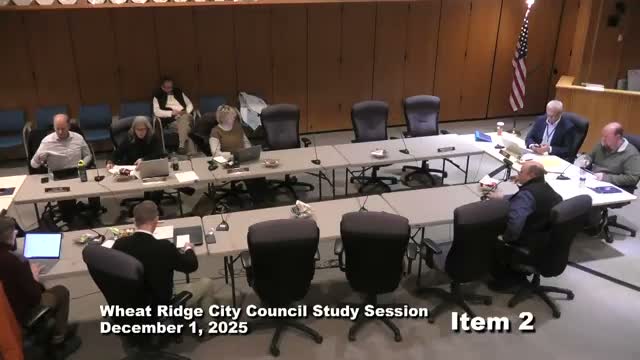
Summary
Five applicants — Justin Slocum, Maki (candidate), Simon Maione, Rebecca Groth and Susan Wood — gave five‑minute presentations outlining priorities on housing, public safety, capital projects and communications; council will vote on an appointment at its Dec. 8 meeting.
Five District 3 applicants presented to Wheat Ridge City Council on Dec. 1 as the panel prepares to appoint a replacement for the seat vacated by the newly elected mayor. Each candidate delivered a five‑minute statement followed by council questions.
Justin Slocum emphasized that he received 1,317 certified votes in the recent election and framed his candidacy as a continuation of his campaign’s engagement; he highlighted constituent outreach and traffic management as priorities. "A lot of them have contributed financially...to see me have a seat on this council," Slocum told the council, noting his campaign experience.
Maki (candidate) described three priorities: open communications, retaining and attracting small businesses, and streamlining licensing so businesses can start and remain in Wheat Ridge. She cited her long involvement with the Wheat Ridge Business Association and said partnerships with business could help large capital projects.
Simon Maione emphasized multi‑generational ties to the city, collaborative leadership and fiscal prudence for coming capital projects such as Anderson Pool and a potential city‑hall relocation. He said his approach would prioritize a balanced budget while exploring unique financing for larger projects.
Rebecca Groth, who works nationally in parking and mobility, said she would bring procurement experience and connections to help implement smart‑mobility and parking solutions; she emphasized outreach and practical engagement tactics used in other municipalities.
Susan Wood, an urban planner and RTD environmental and transportation planner, underscored listening and accessibility, planning experience in land use and transportation, and the importance of collaboration and trust when balancing neighborhood concerns with broader city priorities.
Councilors asked each candidate about specific policy areas — including whether they would have supported the city's speed‑camera (ADIS) program, strategies for stormwater funding, the reuse of closed school sites, and approaches to public engagement. Candidates generally answered that they would base decisions on data and constituent input and emphasized collaboration with staff and community groups.
The council did not vote on an appointment at the study session. City staff confirmed the appointment will be on the agenda at the Dec. 8 regular meeting so the appointee can participate that night.