Lifetime Citizen Portal Access — AI Briefings, Alerts & Unlimited Follows
Principals report improved 2024–25 outcomes; district provisional rankings pending state release
Loading...
Summary
Principals from Boyse, DG Cooley, Johnson Williams and the high school presented 2024–25 student outcomes on Nov. 17; the district said three schools project as 'on track' and one as 'distinguished' pending state validation. Presentations highlighted reading interventions, attendance wins and targeted supports for EL and special-education students.
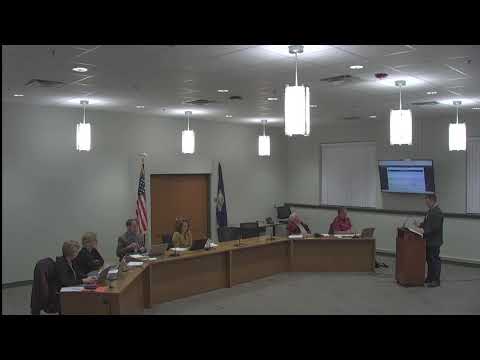
Clarke County School Board — November 17, 2025 — Principals from the district’s elementary, middle and high schools presented 2024–25 student-performance data on Monday, highlighting gains in reading and math, expanded intervention programs and stronger attendance rates, while cautioning that final accountability categories await the state’s official release.
Max Merican, identified as principal of Boyse Elementary, said Boyse enrolled 218 K–5 students last year and reported cohort gains coming out of the pandemic-era cohorts: “This is the first kind of cohort coming out of COVID that have been in school full time starting in kindergarten,” he said, and cited third-grade pass rates of 76% in reading and 75% in math. Merican described multi-year gains across subjects and named interventions in place — Heggerty phonemic-awareness lessons, a UFLY phonics program, decodable texts, small-group goal setting and co-teaching in upper elementary — as keys to progress.
Molly Tinsman, principal at DG Cooley Elementary, told the board Cooley ended 2024–25 with 517 students and reported spring pass rates that included 72.4% reading and 79.5% math in grade 3; grade 5 pass rates were roughly 69% across reading, math and science. Tinsman emphasized year-over-year growth captured by I‑Ready benchmarks and singled out unusually large growth measures for some cohorts: “The highest number we have here is a 147% growth, average growth in reading for fifth grade,” she said, and described daily reading interventions, a two-hour literacy block and individualized reading plans for high‑risk students.
At Johnson Williams Middle School, principal Mister Sykes said the school is projected to be “an on track school this year” after being off track last year, attributing improvement to full implementation of the Comprehensive Instructional Program (CIP), evidence‑based interventions in reading and math, quarterly benchmarks and an advisory period for daily goal setting. Sykes flagged sixth grade as a transition point where students face increased rigor and more teachers, and said the school is monitoring subgroups (students with disabilities, English learners and economically disadvantaged students) to ensure gains are equitable.
The high school presentation covered mastery, readiness and federal cohort measures and noted high participation in advanced coursework: the presenter reported 560 students took IB, AP or dual‑enrollment classes in 2024–25 and described expansions in RTI (response to intervention) classes and a new full‑time English‑learner instructor to support language acquisition.
An administrator summarized provisional accountability scores, saying the district currently shows three schools in the “on track” range and one school, Clark County High School, above the 90‑point distinguished threshold "as of today" at roughly 102.07 — but cautioned the board that the state has not yet published final category assignments and that a subgroup falling in the state’s bottom 5% could lower a school’s category by one level. “We’re still waiting on that piece,” the administrator said.
Board members asked about preschool placement, and principals said the split between Boyse and Cooley is working well with preschool classrooms on both campuses and staff dedicated to those programs. Several principals highlighted attendance incentives, peer‑mentoring and family engagement as nonacademic contributors to gains.
The district will publish final accountability categories when the Virginia Department of Education releases official data; presenters said they will continue quarterly benchmarking and the CIP work that informed the gains reported to the board.