Get Full Government Meeting Transcripts, Videos, & Alerts Forever!
Get email alerts on the West East Connection topic
No spam. Unsubscribe anytime.
City transportation team outlines WE Connect findings; phase 2 outreach to focus on West Side representation
Summary
The WE Connect (West–East Connection) study presented phase‑one findings: mobility, health, access to opportunity and community vibrancy are the four primary problem areas; staff acknowledged underrepresentation of West Side respondents in phase 1 and outlined a strengthened phase 2 outreach plan for January–February, including neighborhood‑led events and paid community advisory members.
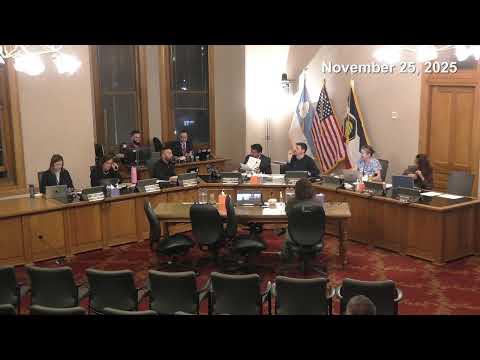
Transportation staff briefed the council on phase one of the West–East Connection study (WE Connect), a federally funded Reconnecting Communities Pilot Program effort to identify how I‑15 and rail corridors shape mobility, health and opportunity across the city.
Joe Taylor and the transportation team summarized what they heard through advisory boards, intercept surveys and open houses. Outreach identified four major problem buckets: constrained travel choice and unreliable crossings (which depress transit and active transportation options), air quality and public‑health concerns tied to freight and vehicle traffic, limited access to jobs and services on the West Side (only a small share of nearby jobs are held by West Side residents), and a lack of neighborhood commercial vibrancy and “third spaces.” Staff emphasized the practical impacts, including long blockages at rail crossings that can span minutes to hours and frequent unpredictability for buses at grade crossings.
The team acknowledged phase‑one survey demographics skewed toward homeowners and higher income respondents and said phase two will use neighborhood‑specific, in‑person engagement (paid community advisory board members, artist‑led activities, trusted institutions and translated materials) to better reach Latino and low‑income residents on the West Side. Staff said nearly 1,000 survey responses were collected in phase one and that additional business surveys are open.
Councilmembers asked that phase two explicitly target Latino participation, engage school communities and factor 10‑year projections (freight increases, FrontRunner frequency, development pressure) into solution evaluation. Staff said the study is a planning effort (no capital dollars attached in phase 1) and will produce a final report expected in early 2027; phase 2 outreach and solution development is planned for January–February with community‑generated solution criteria.