Get Full Government Meeting Transcripts, Videos, & Alerts Forever!
Get email alerts on the Facility Planning topic
No spam. Unsubscribe anytime.
Board approves design for two‑story Champ Cooper expansion after debate over court risk and costs
Summary
The committee approved proceeding with design of a two‑story build‑out at Champ Cooper (covering phases 2 and 3) to address projected enrollment growth, despite board concerns that altering a court‑approved plan could jeopardize existing approvals.
The Tangipahoa Parish Capital Outlay Committee voted to authorize design work for a two‑story expansion at Champ Cooper, covering what trustees described as phases 2 and 3 and totaling 20 classrooms on paper. The decision came after a lengthy discussion about rapid local development, legal risk related to ongoing desegregation oversight and construction feasibility in a rural parish.
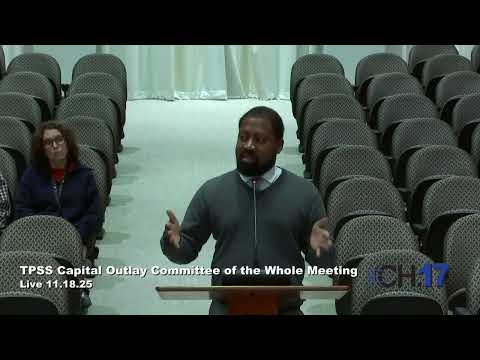
Mister Piazza, who introduced the motion, said the campus is "growing at a rapid rate," citing a packet figure that showed an 84% increase over a 10‑year trend and noting parish development projects the parish councilwoman identified. "We can't wait six years," Piazza said, arguing the two‑story option would provide more durable capacity than the court‑approved single‑story 10‑classroom plan.
Opponents warned of legal and practical risks. Mister Duncan said changing what the desegregation judge has already approved could delay or jeopardize the 10 classrooms the court previously authorized: "I just think we ought to move forward with what we've got and then proceed in the future with the additional needs," he said, expressing concern a request for more could prompt the judge to deny existing approvals.
Cost figures discussed in the meeting were inconsistent in the transcript. Participants referenced multiple dollar amounts — including figures spoken aloud in the hearing — and some members urged caution about doubling the budget for a campus previously approved by the court. Administration and construction staff also flagged practical constraints for two‑story construction in the rural parish, including potential fire‑suppression and water‑system upgrades that could raise costs significantly.
Despite objections, the motion to proceed with design carried on recorded votes in the transcript: several members voted to approve the design while others voted no. The vote allows the district to begin design drawings for the two‑story option; board members asked that design work account for the court‑approved 10‑classroom baseline and that staff continue to weigh legal advice before final submittal to the desegregation judge.
Next steps: Administration will commission design documents for the two‑story option and coordinate with legal counsel regarding how a design change may interact with current court approvals and any pending objections from plaintiffs.