Get Full Government Meeting Transcripts, Videos, & Alerts Forever!
Get email alerts on the Animal Regulations topic
No spam. Unsubscribe anytime.
Paradise Council narrows backyard chickens and rabbits to 12, keeps roosters under livestock permits
Summary
After a contested public hearing, the Town of Paradise adopted ordinance amendments limiting backyard chickens and rabbits to a combined maximum of 12, setting a 50-foot setback from occupiable structures and leaving roosters allowed only through existing livestock permits.
The Town of Paradise council on Monday approved revisions to the municipal code that limit the number of backyard chickens and rabbits to a total of 12 per residential property, maintain roosters only via livestock permits, and set a 50-foot minimum setback from occupiable structures.
Planning staff presented the recommendations during a public hearing, saying the limit of 12 (any combination of hens and rabbits) is intended to be defensible in court as keeping these animals as household pets rather than livestock. "If we had to go to court to defend this ... 12 appears to be toward the upper end of that limit," a staff member said during the presentation, citing comparisons with nearby jurisdictions and state code constraints.
The staff report cited two state-related constraints that shaped the recommendation: the California Building and Fire Codes and a State Department of Water Resources requirement for a 100-foot setback from animal enclosures to any water well. Staff said they had clarified a prior 2016 Fire Marshal bulletin and that current codes require 50 feet from an occupiable structure for non‑WUI accessory structures; WUI‑rated structures built to code could be as close as 10 feet to an occupiable structure but that option raised neighboring-odor concerns.
During public comment, Hal Thurston described prolonged odors from a neighbor's coop that reduced enjoyment of his patio until the enclosure was moved roughly 80 feet away. "The stench was overwhelming," he said, urging the council not to reduce the current 75-foot standard. Other residents asked questions about permit costs, heat concerns for WUI‑rated coops and whether any California jurisdictions allowed higher limits than 12.
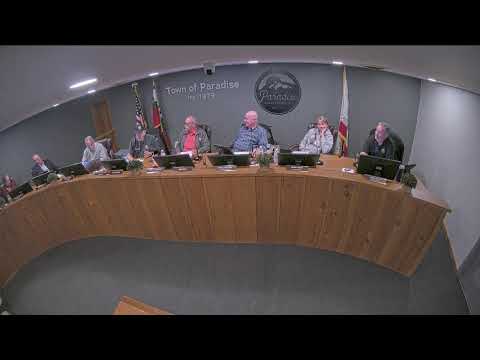
Council members debated odor, fire-safety setbacks and defendability under the town's general plan, which staff said generally discourages livestock in the town-residential land-use category. The council ultimately voted to adopt staff's recommended revisions; the motion was seconded and passed with a recorded majority (Councilmembers Bullen and Cullerton voted yes; Councilmember Lawson voted no; Councilmember Lang was absent; Mayor Crowder voted yes).
The ordinance keeps roosters excluded from the backyard definition and only available via a livestock permit (generally requiring larger, acre‑type parcels) and preserves the existing livestock-permit pathway for property owners who need higher counts. Staff also noted that livestock permits are routed to county environmental health and public works for review concerning wells, septic and other constraints.
The council directed staff to finalize ordinance language and return any technical edits for introduction and adoption consistent with the town's municipal code process.