Get Full Government Meeting Transcripts, Videos, & Alerts Forever!
Get email alerts on the Privacy Surveillance topic
No spam. Unsubscribe anytime.
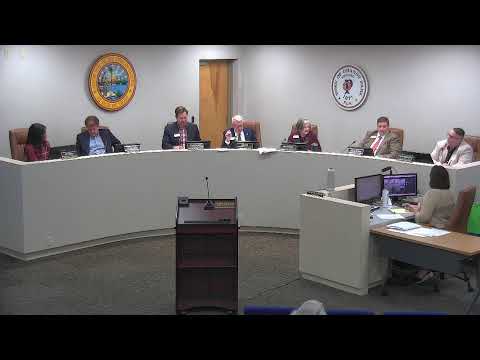
Residents urge council to pause Flock license-plate reader purchase, warn of surveillance risks
Summary
Public commenters opposed a proposed license-plate-reader / networked camera system (Flock), warning it creates a searchable statewide database and risks privacy and misuse; a former county network administrator urged the council to adopt restrictive contract language (ACLU model) and council deferred the item to Jan. 6 for further legal review.
Several residents addressed the council during the public-comment period about a proposal to install license-plate-reader cameras and join a networked system (Flock).
One speaker described the proposal as "mass surveillance" and urged council to "end this madness tonight." Madison Hill, who identified professional experience as a network administrator for Clay County, outlined technical and policy concerns: she said earlier license-plate reader rollouts produced broad searchable logs that could be queried for a person's movements, claimed that Flock maintains networked data accessible to participating agencies, and warned that manufacturers' partnerships with commercial data/AI firms could magnify privacy risks. Hill called the technology "1984 level stuff" and recommended council adopt contract protections such as language the ACLU has proposed to limit data sharing and require stricter controls.
Town staff and the town manager said the proposal requires additional legal and contract review. The town manager requested, and council approved, deferring the matter to the Jan. 6 council meeting to allow staff and the attorney to review contract terms and privacy safeguards.
Speakers stressed that even if most camera hits do not lead to police action, searchable logs and cross-jurisdictional access raise long-term civil-liberties concerns; speakers urged the use of restrictive contract terms if the town proceeds.