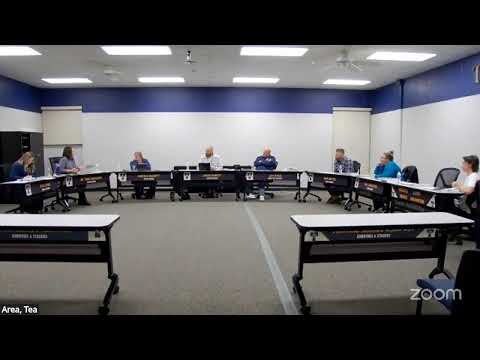
Tea Area School District warns of possible $1 million shortfall as enrollment dips
Loading...
Summary
The district’s business manager told the board the five-year plan shows a potential $1,000,000 shortfall under conservative enrollment projections and urged budget recalibrations; housing-development forecasts could change the outlook if building resumes.
The Tea Area School District’s business manager told the board on Monday that conservative enrollment assumptions and current revenue projections create a scenario that would produce about a $1,000,000 shortfall over the five-year planning window.
In a presentation on the district’s five-year general fund plan, the business manager said the district modeled a cautious enrollment path—25 additional students in fiscal 2027 and 10 students in subsequent years—and factored in a 0% proposed state K–12 increase for the coming year followed by 2% in later years. "We have a shortfall of 1000000 dollars," the business manager said while walking trustees through the ‘worst-case’ projection, which would drive the district’s fund balance below recommended levels if sustained.
The presentation placed district enrollment (state-aid count) for 2025–26 at 2,536.39 students and explained how small differences in kindergarten and junior-kindergarten cohorts feed into future class-size and staffing needs. The business manager told the board that under the conservative scenario the fund balance could fall to roughly 6.2% by fiscal 2028 and that some planned staffing additions projected later in the plan might need to be shifted or delayed.
Board members asked for clarifications about the enrollment assumptions and whether open-enrollment caps would be affected; staff responded the district’s open-enrollment cap was not reached this year. The business manager also explained the projection methodology—using historical line-item totals, modest inflation factors and stated staffing proposals—and stressed the figures are planning scenarios, not fixed budgets.
District planners said the revenue picture is sensitive to both state aid and local property tax policy: state aid accounts for roughly 75% of district funding with local taxes making up the remaining 25%, and changes to levy rules could alter the mix. The business manager noted that one favorable scenario—if local building resumes at rates assumed in the growth report—would keep the district at or above target fund-balance ranges.
Next steps: the board heard that budget development will start in February–March and that staff will bring refined budget options, including potential recalibrations of positions or expenditures, as additional enrollment and revenue information becomes available.