Get Full Government Meeting Transcripts, Videos, & Alerts Forever!
Get email alerts on the Criminal Justice Review topic
No spam. Unsubscribe anytime.
Family and advocates call on council to press for DNA testing in Anthony Connor case
Summary
Multiple speakers at public comment said a court ordered DNA testing in a conviction review for Anthony Connor but testing has not been completed; they asked council to use its platform to press prosecutors and the court to carry out the testing and a review.
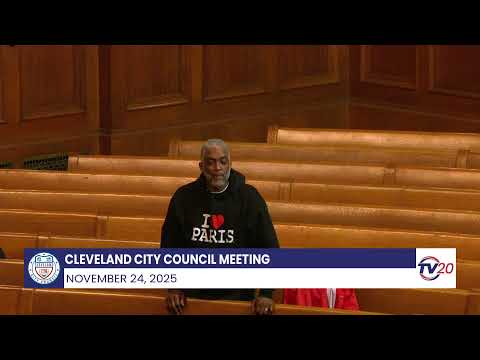
Three speakers during public comment asked Cleveland City Council to press for DNA testing and a review of Anthony Connor’s conviction, citing an Ohio Court of Appeals order.
Evangelist Darlene said Connor "has spent over 12 years in prison for a crime he did not commit," and described what she characterized as the absence of forensic evidence tying him to the shooting allegedly at Syrah House. She said civilian witnesses identified another man and that a single‑photo identification used at trial was unduly suggestive; she added that the Court of Appeals in 2020 ruled the trial court wrongly denied Connor’s request for DNA testing and sent the case back for reconsideration, but that testing still had not been completed.
Vivian Connor, identified in the transcript as Anthony Connor’s mother, told council her son had "spent over 13 years in prison" and urged officials to use their platform to help secure testing and a fair review. Alexis Mason (Garfield Heights) echoed the request and asked the council to encourage the Cuyahoga County prosecutor to re‑examine the case.
During the meeting, the presiding officer asked that the case materials be given to the safety director and noted time limits for public comment; the transcript does not record an immediate formal council directive to the prosecutor’s office or a follow‑up deadline for DNA testing.
Speakers framed their requests as calls for fairness and the completion of court‑ordered testing rather than as legal arguments on the merits. The transcript records the Court of Appeals decision and the speakers' appeals to the council, but it does not include an administrative response committing to a timeline or to contacting the prosecutor’s office.
Next steps recorded in the meeting were procedural: speakers were told to submit materials, and the presiding officer directed the comment to the safety director for review.