Get Full Government Meeting Transcripts, Videos, & Alerts Forever!
Get email alerts on the Lgbtq Welcoming Resolution topic
No spam. Unsubscribe anytime.
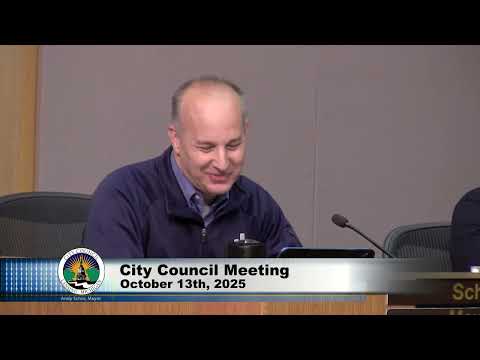
Lansing City Council unanimously adopts resolution declaring city ‘LGBTQ+ welcoming’
Summary
The Lansing City Council unanimously adopted a resolution on Oct. 13 declaring Lansing an LGBTQ+ welcoming city, directing development of pro-LGBTQ+ policies, encouraging creation of an advisory board, and calling for protections including safeguarding access to gender-affirming care.
Lansing City Council voted unanimously on Oct. 13 to adopt a resolution declaring the city an “LGBTQ+ welcoming” community. Council member Jackson read the resolution and moved its adoption after several residents urged the council to formalize protections for LGBTQ+ residents.
The resolution says Lansing “welcomes people of all backgrounds” and condemns violence, harassment and intimidation targeted at LGBTQ+ people and supportive businesses. It calls on the city to develop pro-LGBTQ+ ordinances and policies, encourage the administration to adopt similar measures, place LGBTQ+ community members on city boards and commissions or establish an LGBTQ+ advisory board, and pursue steps to safeguard access to gender-affirming care, including discouraging use of city resources to block or investigate access to that care.
Supporters told the council the declaration would be more than symbolism. Cody O’Neil of the Lansing Advocates for Trans Safety urged concrete actions, including “collaborating with advocacy groups to develop policy,” expediting investigations of discrimination, and creating an LGBTQ+ advisory board to enforce local protections. Lyra Opiknick, who thanked Council member Jackson for drafting the resolution quickly, said the measure would “work to create preventative measures” rather than only responding after incidents occur. Aria Mori emphasized the everyday impact of such measures for trans children and newcomers, saying, “Words are the beginning, and they are what’s left when all else fails.”
Other speakers stressed the limits of symbolic measures unless paired with follow-through. One public commenter said the resolution is “a good first step, but it is just words on paper,” urging the city to partner with nonprofits and community groups to make protections tangible.
Mayor Schor praised the council’s action and noted the city’s membership in the Human Rights Campaign’s municipal index. Council member Jackson said the resolution grew out of organized community request and moved its adoption; the council approved it by voice vote without opposition. The resolution’s text also directs the city to consider an executive order to protect access to gender-affirming care and to avoid using city resources to impede such care.
The council did not specify a timeline in the meeting for drafting the ordinances or forming an advisory board; proponents at the meeting asked for expedited follow-up.