Get Full Government Meeting Transcripts, Videos, & Alerts Forever!
Get email alerts on the Private Right Of Way topic
No spam. Unsubscribe anytime.
Oconee planners consider shrinking private-road right-of-way from 32 to 20 feet amid safety and authority debate
Summary
The Oconee County Planning Commission heard public comment and emergency-services testimony Dec. 1 on a proposal to reduce private-road rights of way from 32 to 20 feet. Fire and emergency officials warned operational limits, while some commissioners questioned the legal authority to require more than the International Fire Code.
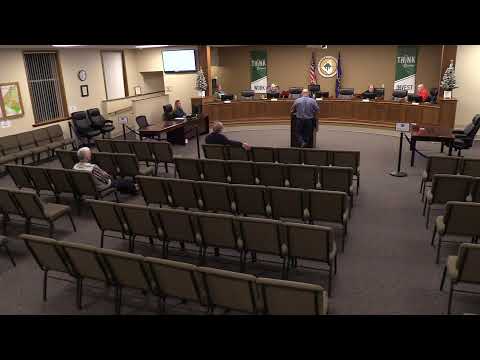
The Oconee County Planning Commission on Dec. 1 debated a proposed ordinance change that would lower required private-road rights of way from 32 feet to 20 feet, prompting public comment, letters and testimony from county fire and emergency leaders.
Jim Codner, representing Advocates for Quality Development, told the commission he opposed the change, saying smaller rights of way risk emergency access and utilities. "What is the big deal here? Why do we need to do this?" he asked, warning that narrow private roads "could even lead to loss of life" in a major fire.
Staff read two written comments into the record. Gary Owens urged the county to preserve established rights of way as a public-safety measure; Linda Lovely said photos taken during a past fire response made her skeptical that narrower rights would permit safe operations for firefighters and EMS.
Clint Livingston, county fire marshal, told commissioners that the International Fire Code requires a 20-foot travel surface and about 13 1/2 feet of vertical clearance but cautioned that "if somebody is able to put a fence right on the edge of the road, that prohibits...getting ladders off trucks, pulling hose" and could slow or complicate firefighting operations. County Fire Chief Chris Smith said the 20-foot surface "is definitely wide enough for a fire truck to pass," but added that reduced right-of-way allows fences, walls and other structures nearer the road that "could prevent us from doing our job." Scott Crine, Oconee County Emergency Services director, recommended retaining a modest buffer beyond the driving surface so tankers and other hauled-water operations can pass or stage: "If we can have a little bit of space to do some of those other things, it allows us to operate and not be in a confined alleyway."
Paul Reed of engineering firm Rhodes & Bridges said a wider right-of-way provides space for drainage, utilities and a clear zone; he described 32 feet as "basically the bare minimum" for a road plus shoulders, while 50 or 66 feet accommodates utilities and drainage for higher-volume roads.
A legal question divided commissioners. One member argued the county may lack authority to require more than the International Fire Code's surface standard on private roads and warned that requiring additional footage could amount to a taking without compensation. Staff and other commissioners countered that police-power authority and planning-code provisions inform what the county may adopt for safety, but the meeting did not settle the legal question.
A motion to change the right-of-way from 32 feet to 20 feet was made and seconded and the chair called for a vote after extended discussion. The transcript records the vote being called but does not include a final, named tally or an explicit adopted/failed outcome in the record provided to this report.
The most recent procedural step in the transcript is that the commission moved to a vote; the record ends before a final tally was documented. Commissioners also asked staff earlier in the meeting to check other ordinance sections and documentation if the commission proceeds with rule changes affecting access or penalties.