Get Full Government Meeting Transcripts, Videos, & Alerts Forever!
Get email alerts on the Budget Tax topic
No spam. Unsubscribe anytime.
Southgate officials lay out utility‑users tax option to close $8–9M budget gap; public skeptical
Summary
City Manager presented a proposed utility‑users tax (UUT) as a way to close a structural shortfall, estimating household impacts at sample rates and outlining ballot steps; residents pushed back, demanding ARPA accounting and proposing deeper internal cuts before new taxes.
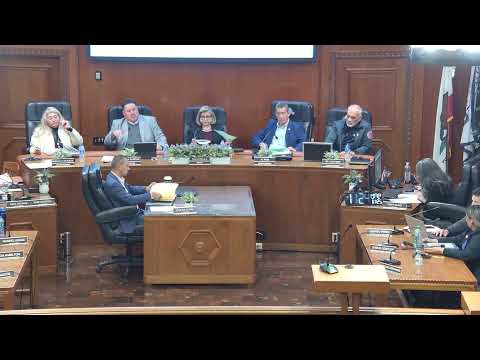
City Manager Houston told the Southgate City Council on Nov. 25 that the city faces a structural budget shortfall and that a local utility‑users tax could be a way to preserve public safety, parks and other general‑fund services.
"It's a local tax," Houston said in a presentation to the council and a packed chamber. "Unlike sales tax or property tax, 100% of those revenues come to the city."
Houston said surrounding cities generate millions from UUTs at rates that range from about 2% to 10%, and described a sample household impact at an 8% rate of roughly $29–$60 per month depending on usage. He outlined the legal steps required to place a general‑tax UUT on a ballot: if the council wants a June election it must first declare a fiscal emergency (requiring a unanimous vote at that meeting) and later secure a supermajority to put a measure on the ballot; a November ballot avoids the fiscal‑emergency step but delays any revenue.
The presentation framed the UUT as one of two broad responses to the shortfall: steep service and personnel cuts that staff estimates could reach $8–$9.4 million, or a local revenue measure. Houston also described planned outreach, including mailers, social‑media explainers and a survey effort to sample resident sentiment.
Public comment was sharply critical. "You want to dump a utility users tax on us after you squandered away $34,000,000 in ARPA funds," resident Chingas Dominguez said, alleging past mismanagement and demanding transparency about prior federal funds and settlements. Several speakers asked the council to show detailed accounting of ARPA spending, reserve levels and grants before considering a new tax.
Council members responded with a mix of caution and urgency. Some members said they support letting voters decide but want clearer financial briefings first. Councilmember Hurtado requested detailed information on reserves, LAIF balances, ARPA compliance, and outstanding liabilities; several members urged staff to return with a complete fiscal‑emergency package and a second budget scenario showing the cuts that would follow if a tax measure were rejected.
City Manager Houston said staff had previously prepared an options list; earlier budget work identified up to $6.5 million in potential cuts and the staff is now expanding that to as much as $9.4 million if needed. He recommended bringing a fiscal‑emergency agenda item back at the council's first January meeting so the council and public can see the consequences and timing for June versus November ballots.
If the council chooses to pursue a UUT, Houston said the city will consider exemptions or reduced rates for groups such as seniors and will present draft ballot language and a public‑engagement plan for council approval. He repeated that any UUT would require voter approval and that staff will provide more detailed, itemized budget information in the coming weeks.
Next steps: council directed staff to return with additional financial detail and a fiscal‑emergency plan, aiming for a January follow‑up; no final decision on a ballot measure was made at the Nov. 25 meeting.