
Seaside commissioners review draft 10‑year parks and recreation master plan, flag acquisitions and indoor space needs
Get AI-powered insights, summaries, and transcripts
Subscribe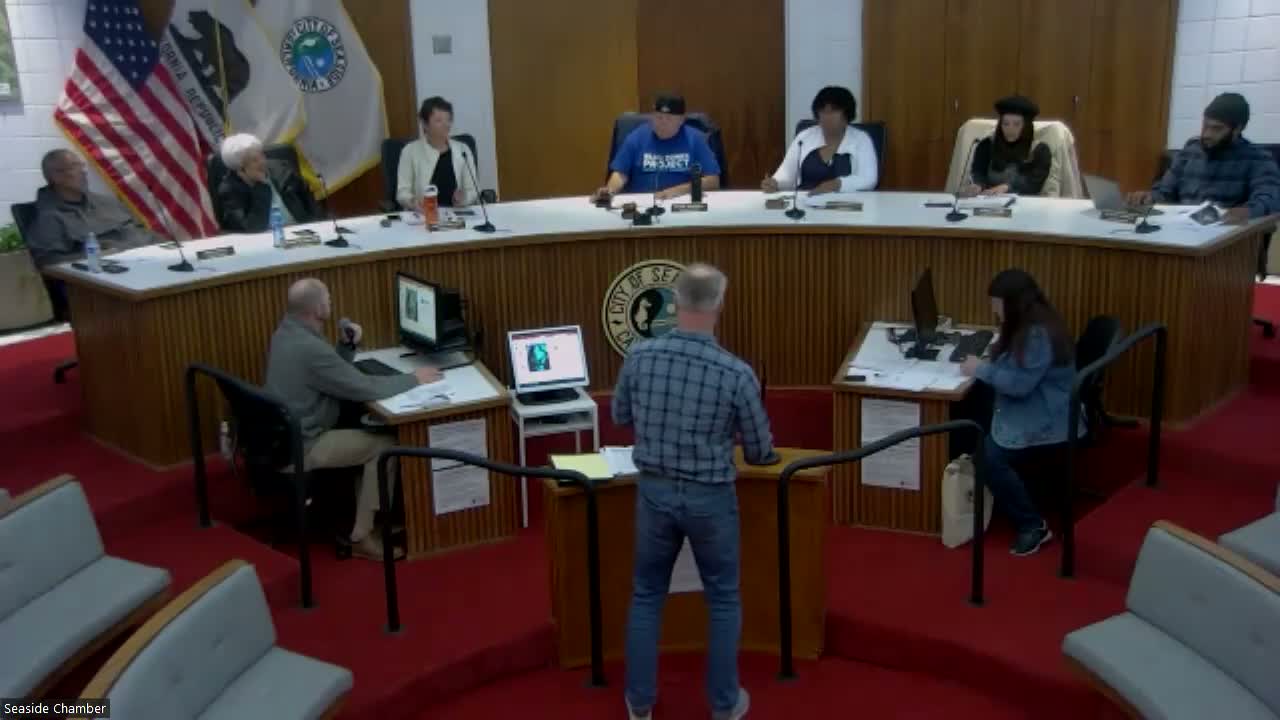
Summary
Consultant Steve Du presented a 200‑page draft plan calling for upgrades, expanded recreation offerings and a roughly $44 million project list (about half for land acquisition). Commissioners pressed for clearer prioritization, inclusion of a recent trails grant and better attention to indoor program space and ADA improvements.
The Seaside Parks and Recreation Commission on Monday reviewed a draft 10‑year Parks and Recreation Master Plan that lays out goals, analyses and a prioritized project list for the city.
Consultant Steve Du of Conservation Techniques told commissioners the plan reflects input from nearly 600 participants and is intended as a strategic, non‑binding guide for the next decade. "We've heard from nearly 600 participants through the process," Du said during his presentation, noting the document includes system analyses, travel‑shed maps and a site‑by‑site recommendations section.
The draft organizes goals around community engagement, accessibility and ADA compliance, maintenance, resiliency, recreation programming and trails. It recommends renovations at Lincoln Cunningham, Capra and Havana sites, expanded inclusive playgrounds, splash pads, additional courts, trails connections across the city and targeted acquisitions to fill service gaps in the Terrace and Olympia neighborhoods and the downtown core.
Du said the total of the project list rounds to about $44,000,000, with roughly half of that attributable to land acquisitions. "That number is about 50% related to acquisitions," he said, and noted opportunities to pursue donations, dedications or grant funding to reduce the burden on the city's capital budget.
Commissioners asked for more clarity on metrics and how the plan will be sequenced. The presentation compared Seaside to national and peer medians: Seaside provides roughly one playground per about 2,000 residents — better than the national average cited in the consultant's benchmarking — but the city has only about 1.9 acres of parkland per 1,000 residents versus roughly 10 acres per 1,000 in broader national medians, a gap that the plan ties to the small size of many neighborhood parks.
Commissioner Lobo asked whether the acreage figure included undeveloped land; Du confirmed the metrics reflect current developed acres and said the recently awarded trails grant for Laguna Grande Park had not yet been incorporated but could be added before the plan goes to council. "The new grant is not yet incorporated, so we can adjust the document to reflect that," Du said.
Commissioners also raised indoor facility capacity and staffing as limits to expanding recreation programs. The recreation director said more indoor space — an indoor gym or community center — would enable substantially more programming. Several commissioners asked staff to emphasize indoor capacity needs in the document's priority list and to provide examples of how other jurisdictions used similar master plans to secure state grant funds.
The commission will have another week to submit final edits before staff forwards the draft to city council for consideration in late March or early April.
Votes at a glance: the commission approved the minutes from Jan. 22, 2024, by voice vote (moved and seconded; no roll‑call tally recorded).