Get Full Government Meeting Transcripts, Videos, & Alerts Forever!
Get email alerts on the Gaslight Village Protest topic
No spam. Unsubscribe anytime.
Gaslight Village development on hold as petition fight moves to court; residents accuse scheduling tactics
Summary
The Gaslight Village PUD amendment prompted sustained public comment and competing legal arguments at the East Grand Rapids City Commission meeting. City attorney announced a lawsuit challenging the city's handling of a protest and a referendum petition; the commission took no further action and the project remains on hold pending court resolution.
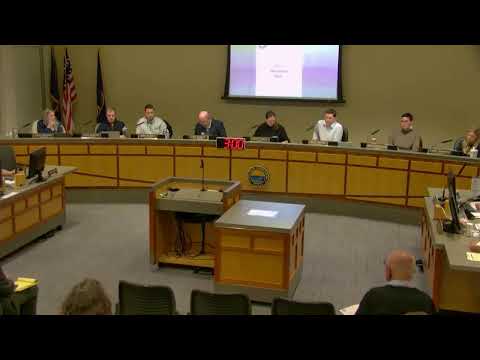
The Gaslight Village development and a related protest petition dominated public comment at the East Grand Rapids City Commission meeting. City legal staff reported that a lawsuit was filed last Wednesday raising two counts—one concerning a protest petition and another concerning a referendum petition the city declined to accept—and said the city would not discuss pending litigation; the attorney also said the project is on hold until the court rules.
Residents and advocates urged the commission to accept or uphold the protest petition. Sarah Buck, a resident, accused the commission of scheduling controversial matters at times intended to limit participation and called it "disenfranchisement," saying tight election margins show the project lacks a broad mandate. Jerry Anderson, who earlier described a 1,482-signature referendum petition, urged the commission to honor the protest petition to reengage the developer and neighbors and seek a plan that would win broader support.
Counsel on both sides presented opposing legal assessments. Christopher Zdarski, who said he represents Gaslight Village Responsible Development and the petitioners, argued that the PUD amendment is a "major change" and therefore a legislative act under the zoning ordinance; he said case law supports treating it as legislative and that the protest-petition mechanism was appropriate. By contrast, Pat Lennon, counsel for the applicant, said the city's determination that the action was administrative was proper, that the site-plan amendment did not rezone surrounding properties, and that the petition and referendum contained material defects—such as missing land-area calculations and title evidence—that justified the city's decisions. Both sides said the matter will be litigated.
City Attorney (title used in public remarks) said the city disagrees with plaintiffs' positions but will refrain from public commentary because litigation is pending, and that the project will not return to a commission agenda until the court decides. The commission took no formal action on the item after public comment; the meeting record indicates the item will remain on hold while the court considers the case.
The dispute centers on whether the protest mechanism applies to the PUD amendment, and whether the city correctly evaluated petition form requirements and thresholds. The transcript records contrasting legal interpretations and extensive public concern about participation and process; the ultimate legal resolution will be decided in court.