
Residents press commissioners to clarify county support and water limits for proposed New Carlisle data center
Get AI-powered insights, summaries, and transcripts
Subscribe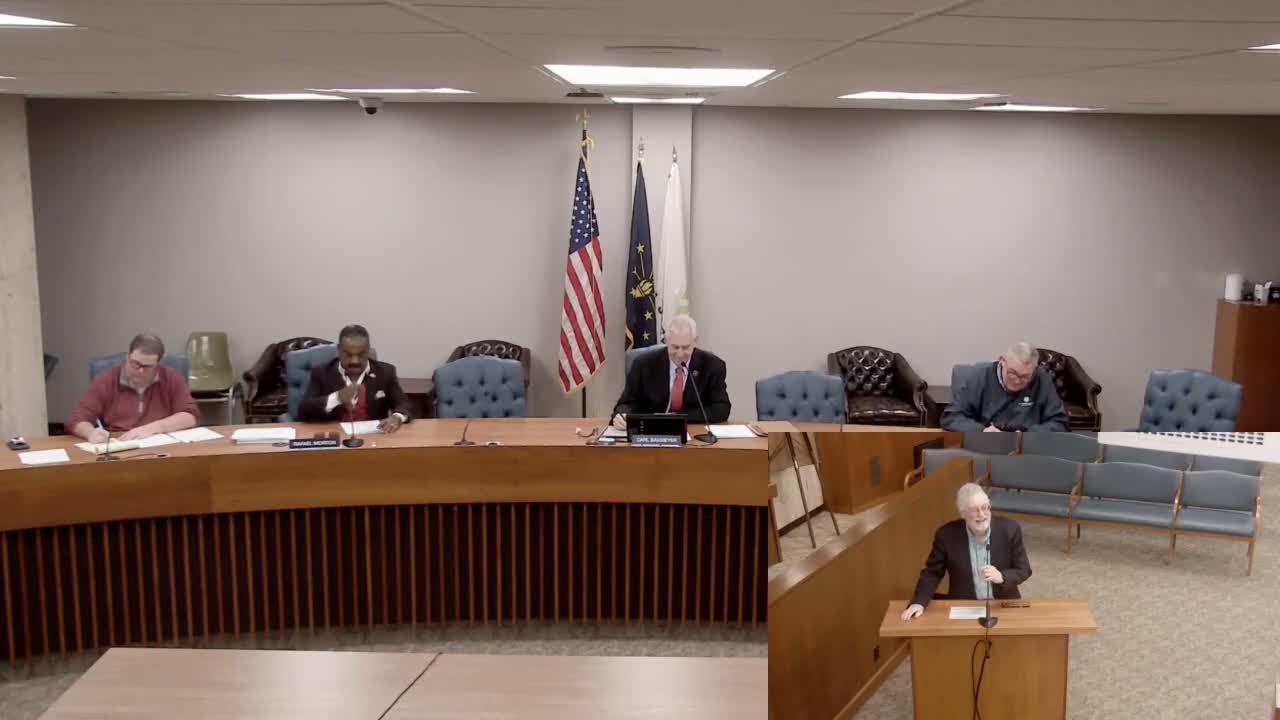
Summary
Two New Carlisle-area residents told the St. Joseph County Board of Commissioners they oppose the county's supportive letter for a proposed data center, questioned the project's water allocations and asked why no enforceable limits or penalties exist for exceeding the county's stated aquifer use figure.
Steve Francis, a Clay Township resident, told the St. Joseph County Board of Commissioners during public comment that a recent county letter of support for a proposed data center in New Carlisle was issued "under the veil of secrecy" and lacked public discussion. He disputed a media statement that data centers could use up to "48,000,000 gallons per day," and said the county's chosen figure is 24,000,000 gallons per day for all users on the aquifer, adding that he has seen no ordinance, penalties or enforcement mechanism if that amount is exceeded.
Dan Caruso of New Carlisle echoed Francis's concerns, urging the board to delay taking a public stance on the rezoning until impacts on water, energy and traffic are clearer. Caruso asked the board to "let the dust settle" and said he opposed the county publicly supporting rezoning while local councils and residents remain opposed.
In response, a commissioner who spoke during the meeting said the body had issued a letter, not a formal resolution, and challenged public characterizations that the action was secret. That commissioner summarized technical findings discussed with consultants, saying Midwest Peerless described higher aquifer recharge figures and that the county chose a working limit of 24,000,000 gallons total as a policy position. Commissioners and staff also raised broader fiscal context, citing recent state changes (referred to in the meeting as "Senate Bill 1") that they said affect county revenue and shape how officials weigh development and tax abatement decisions.
No formal vote or binding action on rezoning or water limits occurred at the meeting; the commissioners said the development agreement, council review and additional approvals remain separate processes. The meeting record shows the county's support took the form of a letter and that the City Council and area plan commission retain roles in rezoning and development agreements.
The next procedural step noted at the meeting is that rezoning and development agreements will be considered by the City Council and the area plan commission; county staff said any development agreement would have to be negotiated and approved before the county could implement or enforce conditions discussed in public comment.