
Yukon Fire Department demonstrates VEIS search tactic in training video
Get AI-powered insights, summaries, and transcripts
Subscribe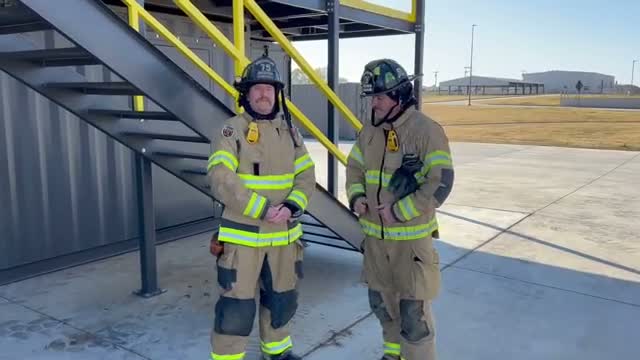
Summary
Yukon Fire Department trainers outlined the VEIS (vent, enter, isolate, search) method in a video-led session, emphasizing early size-up, building-construction checks, required tools and defined roles for rapid interior searches; Flashbrook cited a statistic that 55% of victims are found in or near bedrooms.
Joseph Flashbrook of the Yukon Fire Department led a training session on a rapid interior search method known as VEIS — vent, enter, isolate, search — and walked through tactics, tools and role assignments while introducing demonstration videos.
Flashbrook said the department begins every response with a size-up as the call drops, gathering dispatch data on occupancy type and which floor is involved to shape tactics. "We wanna immediately start going into our size up," he said, adding that whether an incident is residential, multi-residential or commercial "can really dictate our tactics."
He emphasized where teams should prioritize searches. "Statistically, 55 percent of victims are found in or near bedrooms," Flashbrook said, noting that knowledge of building construction and window types helps crews make entry at the most effective location and conduct a proper three-sixty assessment.
A training video shown during the session summarized minimum equipment for a VEIS entry, listing a Halligan tool, a New York hook and a tick device. The video advised assessing interior conditions through the window for signs of life, flashover indicators, doors and beds and confirmed crews should ensure there is no fire beneath the window before venting.
The video outlined clear role assignments for the entry team: the first firefighter vents the window, clears glass and monitors the atmosphere while remaining on air; the second firefighter acts as an orienteer, using a tick to locate the door, victims and to help monitor conditions. The demonstrative sequence showed a firefighter descending through a window by hooking with the legs, moving rapidly to the door to perform a "hook and look" live-fire layout, isolating the compartment by closing the door and conducting a search from a tripod position.
If a victim is encountered, the video instructed that the second firefighter can make entry through the window to assist and that crews should communicate findings to incident command and remove victims via the window to a safe removal point.
The session focused on practical tactics and did not include operational changes or policy votes. Flashbrook framed the material as training guidance intended to reinforce consistent size-up, team roles and safe victim-extraction techniques used by Yukon Fire Department personnel.