Citizen Portal

House Homeland Security hearing spotlights rising threats to law enforcement and splits over accountability

Homeland Security: House Committee · December 4, 2025

Get AI-powered insights, summaries, and transcripts

Subscribe
AI-Generated Content: All content on this page was generated by AI to highlight key points from the meeting. For complete details and context, we recommend watching the full video. so we can fix them.

Summary

Law enforcement leaders told the House Homeland Security Committee that assaults, doxxing and 'dehumanizing' rhetoric are creating a dangerous environment for officers; members differed sharply over causes, oversight and whether masked federal officers endanger or protect communities. The committee tabled a subpoena motion after a roll-call vote.

WASHINGTON — Leaders of major law-enforcement organizations told the House Homeland Security Committee that officers face a worsening threat environment driven by targeted violence, online doxxing and public rhetoric that can embolden attacks.

Michael Hughes, executive director of the Federal Law Enforcement Officers Association, said the work environment for federal officers has become "unprecedented in scope and intensity," pointing to threats aimed at officers and their families and citing FBI figures that show a large recent rise in assaults on law enforcement. "We cannot allow this trend to continue," Hughes said in his written and oral testimony.

Jonathan Thompson, executive director of the National Sheriffs Association, and Patrick Yos, national president of the Fraternal Order of Police, gave sharply aligned testimony. They described long-term increases in ambush-style attacks and urged Congress to act on legislation such as the Protect and Serve Act to give the Department of Justice additional tools to prosecute targeted attacks.

Officer Daniel Hodges of the Metropolitan Police Department, who testified in his personal capacity, described threats he received after defending the Capitol on Jan. 6 and said pardons for some Jan. 6 assailants have "emboldened" attackers. Hodges also criticized some federal tactics, saying anonymity and the use of masked plain‑clothes officers can erode trust and create operational hazards.

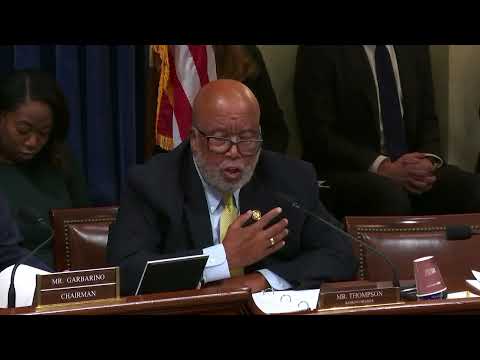
Members pressed witnesses on several fault lines. Republicans emphasized operational needs, recruitment and resource shortfalls and called for stronger federal responses to violent crime and protections for ICE and other federal agents. Democrats and some members of both parties flagged examples of alleged misconduct by federal agents, argued for stronger oversight, and said abuses must be investigated and punished.

A procedural fight late in the hearing illustrated the partisan tenor. Representative Ramirez moved to subpoena Gregory Bavino and to enter a letter calling for Secretary Kristi Noem's resignation into the record. A colleague moved to table that subpoena motion. The committee recorded votes by roll call and the clerk reported a 14–12 tally in favor of tabling the motion, so the subpoena measure was not advanced.

While witnesses urged bipartisan action such as better data collection, enhanced intelligence sharing and targeted statutory changes, members disagreed over whether rhetoric from elected leaders or operational practices by DHS most directly drive the recent rise in attacks. The committee closed after additional rounds of questions and thanked the witnesses; members left the record open for answers in writing.