Get Full Government Meeting Transcripts, Videos, & Alerts Forever!
Get email alerts on the Animal Shelter Operations topic
No spam. Unsubscribe anytime.
Mobile Animal Services staff cite overcrowding, credit added kennel staff for improved outcomes
Summary
City of Mobile animal shelter staff said overcrowding and low spay/neuter rates drive disease risk; staff increases and higher adoption activity have improved outcomes but volunteers and persistent intake pressures remain a challenge.
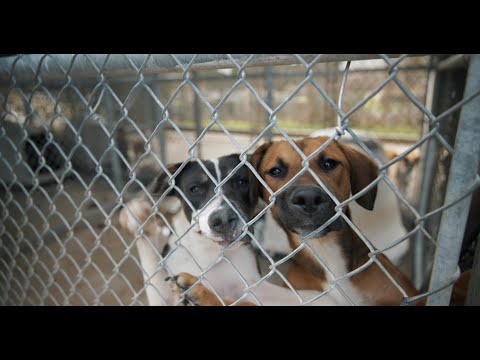
Robert Bryant, director of Mobile Animal Services, told visitors the city shelter often houses "upwards of a 100 to a 150 animals at a time," and described operating the shelter as "a complicated process" that requires coordination between field services and shelter operations. "The shelter department is responsible for caring for the animals, taking care of their medical needs, and ensuring that we can find successful placements for as many of our animals as possible," he said.
The shelter’s veterinarian, who identified themself as the city's shelter vet and said they have provided on‑site care for about four years, warned that overcrowding is the "biggest problem" the shelter faces. "Overcrowding of animals leading to an increase in contagious diseases because their body is stressed, their systems are stressed, and so it makes them more susceptible," the veterinarian said, citing health risks tied to intake and housing density. The veterinarian added that until spay and neuter rates rise and unwanted litters decline, the shelter will continue to be under strain.
Staff and volunteers described changes the department has made in recent years. Bryant said the department has increased the number of kennel technicians so animal patrol officers can return to field work, improving response times and letting staff become more familiar with individual animals' needs. "Having an increase in kennel technicians also benefits the operations of the shelter because they become intimately familiar with each animal they care for," he said.
Multiple staff members and a volunteer praised the shelter's adoption activity and community support. "The rate at which the adoptions happen are are higher than they've ever been," one volunteer said, and staff pointed to higher community involvement at adoption events.
Field services staff described the scope of their work beyond the shelter building: interacting with the public, conducting animal welfare investigations, responding to lost or roaming dogs and occasionally handling livestock or equine calls. Bryant also noted that animal control officers hold level 1 and level 2 certifications through the National Animal Control Association and take additional training courses.
No formal actions or votes were recorded during the visit. Staff emphasized operational improvements already made and repeated concerns about uncontrolled intake and the need for broader spay/neuter efforts to lower long‑term demand on the shelter.