
Defendants urge finality of plea sentences as SJC weighs interpretation of §10(m)
Get AI-powered insights, summaries, and transcripts
Subscribe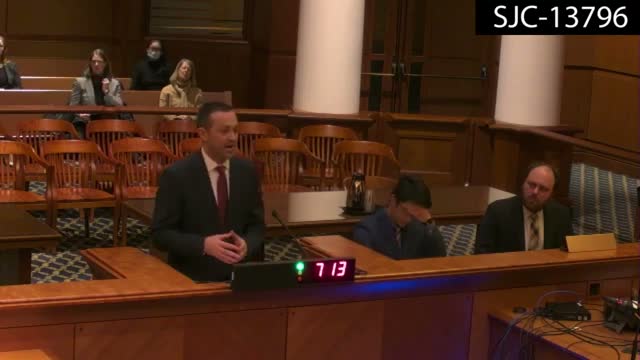
Summary
Defense counsel told the Supreme Judicial Court that, even if the court finds statutory ambiguity or error, principles of finality and the interest of justice counsel affirming negotiated plea sentences because defendants have largely served them.
BOSTON — Lawyers for defendants in consolidated appeals told the Supreme Judicial Court that plea‑deal finality and the interest of justice should factor into any ruling that would render previously imposed sentences illegal.
Timothy St. Lawrence, representing Stefano Sikarakis, told the court that even if the justices determine the statutory language in G. L. c. 269, §10(m) produces illegal sentences, the court should “affirm those sentences, under Commonwealth versus Ellsworth, interest of justice and finality,” noting that Mr. Sikarakis’s sentence was negotiated and litigated before sentencing.
Keith Durden, representing Maurice M. Smith, made a similar plea for finality, telling the panel that Smith has “practically served the sentence” and urging the court to consider that factor in applying any remedy. Durden emphasized the negotiated nature of the pleas and asked the court to weigh fairness and finality when litigation of the statute could disrupt expectations created by plea agreements.
Both defense lawyers acknowledged the statute’s ambiguity and the competing policy concerns: changing a long‑applied interpretation could affect many cases, but preserving a reading that counsel say produces inequities could also have consequences for similarly situated defendants. Counsel argued the court has discretion under interest‑of‑justice doctrines to preserve finality in appropriate cases.
The justices questioned counsel about how the proposed remedies would operate and whether affirming in the interest of justice would be consistent with statutory text and precedent. The transcript ends with arguments concluded and no decision announced.