
Commissioners debate public‑comment pilot after mixed public feedback; no change adopted
Get AI-powered insights, summaries, and transcripts
Subscribe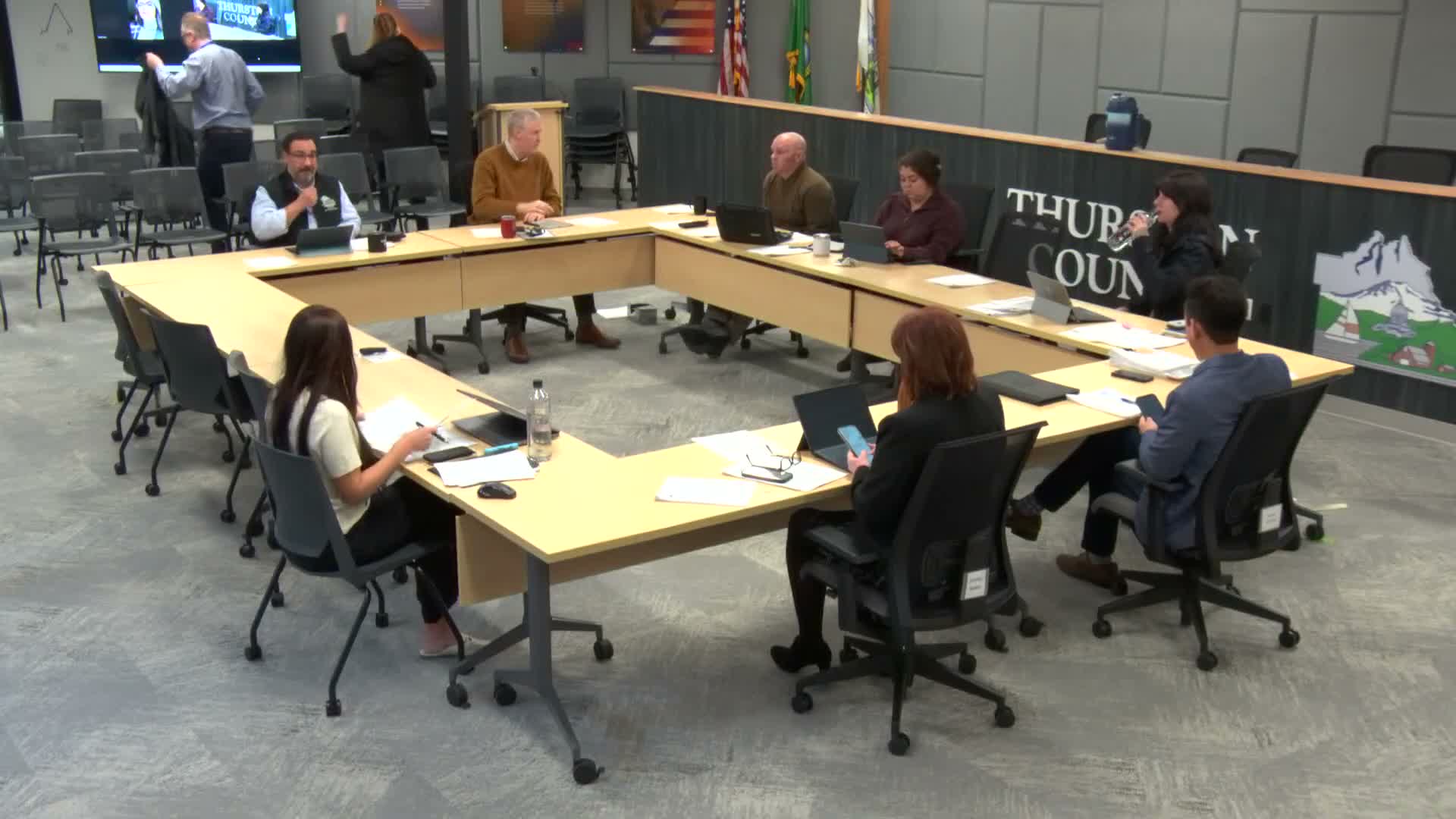
Summary
After six months of a revised public‑comment pilot (agenda‑item comments early, general comment at end), commissioners reported mixed constituent feedback and a 92‑signature petition opposing the change; the board held lengthy discussion and directed the chair and another commissioner to propose modest language tweaks and return with recommendations rather than voting on an immediate reversal.
County commissioners spent an extended portion of the work session reviewing a six‑month pilot that restructured public comment by allowing commenters on agenda items at the start of the meeting, then reserving general matters for the end. The pilot’s stated aims were to give speakers an early opportunity to address agenda items and to allow follow‑up at the meeting’s end.
Commissioner Forney (who championed the pilot) said the change "provides more opportunity for public comment" and can make meetings run more smoothly by allowing the board to complete business items before hearing general comment. Several other commissioners — most prominently Commissioner Emily Klaus and Commissioner (surname appearing as Klaus in the transcript) — said they had received many complaints and a petition from dozens of constituents who said the pilot made participation harder for working people and others with time constraints.
Commissioner Klaus moved to amend the pilot and extend it six more months with a provision to allow general comments at the start of the meeting for those with time constraints; Commissioner Grant seconded. After extended discussion about potential abuse, accessibility concerns, data‑gathering and whether to simply revert to the previous format, commissioners did not take a binding vote. The chair directed two commissioners to meet with staff to draft modest changes to the standard public‑comment script and to return with recommendations.
Why it matters: Public comment procedures determine how residents access elected officials and shape perceived government transparency and responsiveness. Commissioners cited competing goals: maximizing public participation and enabling efficient governance of a multi‑item agenda.
What’s next: The board left the pilot structure in place for now and asked staff and two commissioners to return with suggested language tweaks and — if feasible — objective metrics drawn from sign‑in sheets and meeting recordings to inform any future decision.