
West Allis holds public hearing on west-side sidewalk repair assessments
Get AI-powered insights, summaries, and transcripts
Subscribe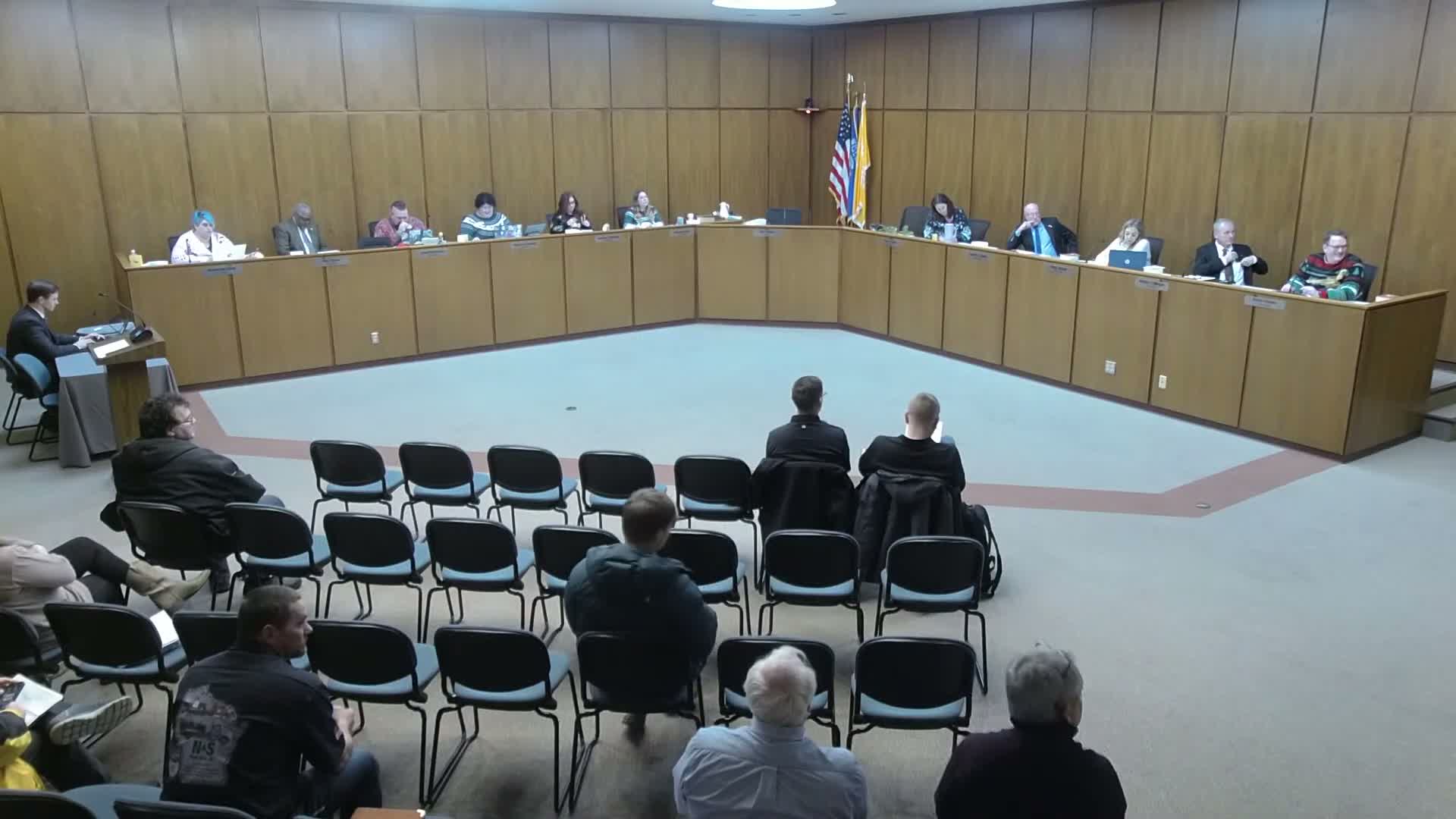
Summary
City engineer outlined a targeted sidewalk repair program for the city’s west side, saying crews inspected ~1,400 properties, flagged about 202 for repair, and estimate the project at roughly $300,000; property owners would pay about 25% via a special assessment at $3.91 per square foot with payment-plan options.
Melinda Dieske, West Allis city engineer, told the Common Council and residents that crews inspected roughly 1,400 properties in the area bounded by South 108th Street, the west city limits and the Union Pacific Railroad and identified about 202 locations needing sidewalk repair. She estimated the construction cost for this year’s work at approximately $300,000 and outlined the city’s special-assessment approach to recover roughly 25 percent of the project cost from affected property owners.
The presentation explained the work process: remove noncompliant slabs, place 5-foot forms, pour and cure concrete (about 10 days), then restore adjacent sod. The assessment rate shown for the program is $3.91 per square foot of sidewalk; driveway approaches are charged at a higher per-square-foot rate. The city offers a lump-sum payment option, a five-year installment plan for assessments between $100 and $250 and a 10-year plan for amounts over $250; installment plans carry a 4 percent interest charge. Dieske said final bills will be calculated and mailed after all costs are collected and measured — she said final bills will not be issued until after March 2027 and that the mailed estimate represents the maximum unless a new hearing is held or the property owner consents to a change.
Residents at the hearing raised concerns about repeated assessments where tree roots have caused heaving. Darren Rausch, a long-time resident of West Ohio Avenue, said a sidewalk segment replaced in 2011 near a locust tree has repeatedly heaved and asked whether he could be assessed again for the same section; he said his 2011 documents indicated he would not be reassessed for 50 years. Dieske said the engineering office applies the city’s special-assessment policy as written and offered to follow up individually on addresses to review past documentation.
Another resident, Scott Radcliffe, urged the city to coordinate with Forestry when tree roots repeatedly damage sidewalks, warning that cutting a single root can allow new roots to grow and cause repeated heaving. Dieske said crews typically cut roots they encounter at the sidewalk edge, attempt to remove roots from the slab base, and will coordinate with Forestry when a tree appears unhealthy or when removal is warranted.
The public hearing concluded with the council noting that specific questions about historic assessments, exceptions or documentation should be handled directly with the engineering department so staff can review property-level records and provide written clarification.
The council did not take a final action on the sidewalk program at this meeting; Dieske said the project would be referred to the Public Works Committee for additional review and then return to the Common Council for a final decision and assessment roll.