
Heated debate over municipal fire department; commission report urges options and timeline
Get AI-powered insights, summaries, and transcripts
Subscribe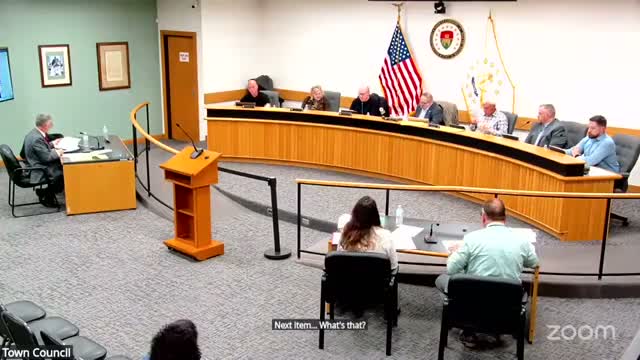
Summary
A monthslong Municipal Fire Commission report presented operational and financial options for municipalizing Coventry’s fire services. Firefighters and chiefs urged municipalization citing staffing and interoperability problems; several residents and councilmembers said more financial detail and public engagement are needed before a final decision.
The Coventry Town Council heard a 28‑page Municipal Fire Commission report summarizing a 10‑month study of the town’s four fire districts and the implications of creating a single municipal fire department.
The report — which the town manager characterized as a summary of exhibits, fiscal estimates and legal analysis — did not make a final recommendation. Instead, it presented three options (status quo, merged district, municipal department), staffing scenarios and estimated tax impacts. The commission relied on prior dynamic studies, fiscal exhibits and a legal memo describing the statutory and charter steps needed to municipalize.
Firefighters, union leaders and several chiefs testified in favor of municipalization, citing decreased staffing over the last decade (from roughly 80 full‑time firefighters to about 55 currently), station closures, and interoperability problems that can delay response. Lieutenant McCann, representing the firefighters’ union, said response gaps have led to fatal incidents and urged the council to prioritize public safety over short‑term savings.
Opponents — including some district board members, residents and a number of council members — cautioned that municipalization would likely raise townwide taxes for some neighborhoods (estimates discussed in the meeting included substantial percentage increases for some districts), and they urged clearer, single‑page budget comparisons so voters could understand exact tax impacts. Several speakers suggested a public referendum or a robust education campaign before any major structural change.
Council direction and next steps: Councilwoman Capaldi asked for a timeline and a schedule of what could be achieved in the next 12–18 months. The town manager and commission members said they would prepare additional materials, including a one‑page executive summary and more detailed fiscal breakdowns by district so the public can compare options. The council also discussed whether to seek a referendum; the solicitor noted charter provisions permitting municipal action, and several members said a public vote could be appropriate.
Why it matters: The debate involves core public‑safety tradeoffs — staffing, response times and interoperability — alongside large fiscal and governance questions, including who sets tax levies and how costs would be shared if the town assumed district debts and assets.
What’s next: The council asked staff and the commission to prepare a concise, public‑facing summary, timeline options and clearer fiscal tables; the council did not take a vote on municipalization at this meeting.