Get Full Government Meeting Transcripts, Videos, & Alerts Forever!
Get email alerts on the Alcohol Policy topic
No spam. Unsubscribe anytime.
Henry County fiscal court approves first reading of major liquor‑ordinance rewrite to align with state law
Summary
Court accepted a first reading of a comprehensive revision to the Henry County liquor ordinance after staff read deletions and additions aimed at aligning county rules with state enforcement limits under KRS 243.06. The draft removes several local enforcement powers and lowers certain fees; the court approved the first reading and will schedule a subsequent reading.
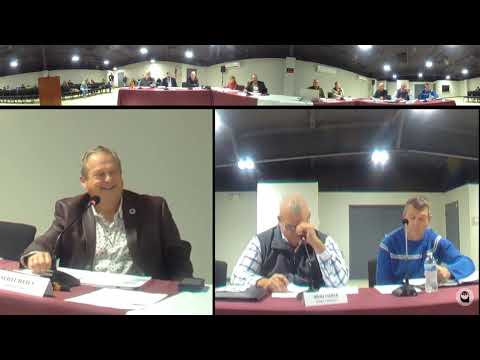
The Henry County Fiscal Court accepted the first reading of a comprehensive revision to the county’s liquor ordinance intended to bring local rules into alignment with state authority.
Cassidy read a detailed summary of changes and the specific article deletions and additions. The draft removes or narrows a range of local requirements the state says the county cannot enforce, including fingerprinting and local criminal background checks for applicants, newspaper announcement requirements, a 500‑foot proximity prohibition around schools and churches, a county right to inspect premises or sales records, and several locally imposed fines. The proposal also lowers certain application fees (from $300 to $100 as read) and provides a uniform 30‑day grace period for missing regulatory filings or employee training; failure to comply after the 30‑day period would result in license revocation and a two‑year waiting period to reapply.
The ABC administrator noted that many of the deleted provisions are now enforced by the Kentucky ABC office and explained the county's role will be more administrative, referring enforcement issues to the state. The draft ordinance text referenced state statutory authority in several places (transcript cites KRS 243.06 in the fee section).
Magistrates asked whether cities must also alter their ordinances; staff said the state direction appears to affect city rules as well. One magistrate described the state’s shift as "a power grab," reflecting local frustration that the county can no longer impose certain penalties and enforcement steps it had previously used.
The court accepted the first reading by voice vote (motion by Carl; second by Ed). This was a procedural step; a second reading and final adoption remain to be scheduled.
Next steps: staff will publish the ordinance changes for the required second reading and provide notice before the final vote.