Auditor finds take‑home vehicle control gaps at Baltimore City Fire Department; city commits to policy revisions
Loading...
Summary
A biannual audit found take‑home vehicles were assigned to non‑fire staff and that recordkeeping and usage controls were weak for some vehicle assignments. The fire department and mayor’s office said they will revise Manual of Procedure 4‑15, implement document retention and quarterly reevaluations.
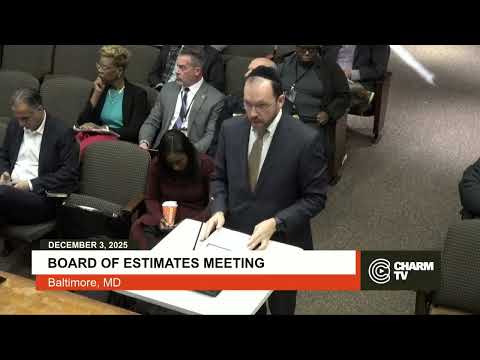
The Baltimore City Department of Audits presented a biannual performance review of the Fire Department’s take‑home vehicle program on Dec. 3, finding gaps in assignment controls and documentation that the city has begun to address.
City Auditor Josh Pash told the Board of Estimates the audit examined fiscal years 2023 and 2024 and extended testing into 2025. Pash said auditors reviewed 38 assigned take‑home vehicles and identified three main issues: two vehicles were assigned to a deputy mayor and a staff member no longer employed by the department; the Fire Department lacked a formal, centralized approval and document‑retention process for assignments; and six officers had zero recorded emergency incident responses across the audit period yet retained vehicles.
"We noted of the 38 take‑home vehicles that were assigned, two were assigned to a deputy mayor and his staff who were not employed by the fire department," Auditor Josh Pash said, adding that the vehicles had been removed from those staff after auditors raised the issue. Pash also described limits in CAD incident data that reduced the audit’s ability to verify certain emergency responses.
Fire Chief Wallace acknowledged the findings and said the department has begun revising MOP 4‑15 to add a formal approval and retention process and to require periodic reassessment. "We do have a plan to mitigate some of these issues. Within six months the revision of MOP 4‑15 will occur," Chief Wallace said, and described plans to use the department’s Operative IQ asset management system for ongoing tracking and quarterly reevaluation.
Mayor Brandon M. Scott and City Administrator confirmed steps to move vehicles into the mayor’s motor pool where appropriate and said assignments tied to deputy mayors who respond to no‑notice emergencies would be placed and managed via the mayor’s motor pool. "The issue...has been addressed," the mayor said, acknowledging sensitivity because an implicated deputy mayor is deceased and noting the city’s efforts to align assignments with applicable policies.
Comptroller Bill Henry and other board members pressed for clarity on a 60‑mile eligibility threshold in the fire department’s MOP and whether that limit is consistent with a citywide administrative manual. City staff said the 60‑mile rule is in the fire department’s MOP and that human resources is checking whether a similar mileage limit exists in the administrative manual; the city administrator said that any changes to mileage thresholds would likely involve discussions with labor representatives.
The audit quantified program costs and usage: fuel, maintenance and repair costs for take‑home vehicles were approximately $134,000 in FY23, about $205,000 in FY24 and about $234,000 in FY25 for the fleet reviewed. Auditors estimated repair and maintenance costs for six vehicles assigned to personnel with no recorded emergency responses at roughly $115,000.
Pash recommended that the fire chief revise MOP 4‑15 to define a formal approval process and retention policy and require periodic reevaluation of assigned vehicles. The department said it agrees and has action plans to address findings; one confidential management comment was omitted from the public report for data‑security reasons and was shared directly with the department.
The Board did not take a separate vote on the audit; members noted the item and asked for follow‑up reports as the department implements the management action plan.