FWC: Fort Myers Beach shorebird season ‘extremely successful’; staff proposes wider herbicide pretreatment
Loading...
Summary
FWC shorebird staff told the Fort Myers Beach advisory committee the 2025 nesting season was “extremely successful,” reporting snowy plovers hatched nine chicks (eight fledged) and Wilson's plovers fledged 10 chicks; staff proposed expanding pretreated areas to the colony’s historical footprint to reduce invasive vegetation and sand spurs.
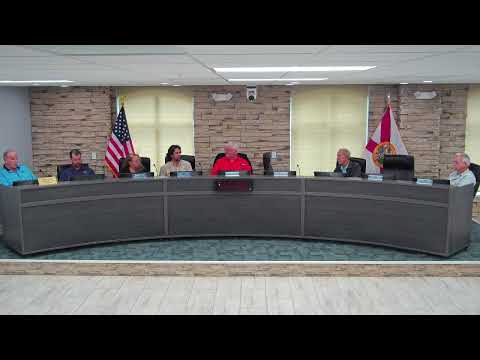
Fort Myers Beach — Florida Fish and Wildlife Conservation Commission shorebird staff told the Marine and Environmental Resource Task Force on Dec. 10 that this year’s shorebird nesting season on the island was “extremely successful.”
FWC shorebird staff biologist Brianna Frankel said four of five imperiled beach‑nesting species nested successfully on Fort Myers Beach and highlighted strong productivity for two priority species. “We actually had a 100% success rate from 3 different nests,” Frankel said of snowy plovers, adding that “of the 9 chicks that hatched from the snowy plover nests, 8 of them fledged.” She reported eight Wilson’s Plover nests that produced 10 fledglings.
Why it matters: The committee advises the town on marine and wildlife issues and the numbers matter for local conservation planning, posting and habitat management during the nesting season.
What staff reported: Frankel and colleagues credited generally milder weather, fewer overwash events and active predator monitoring. She described predation incidents, including an instance of a great horned owl taking chicks on South Fort Myers Beach, and noted that staff used both targeted herbicide pretreatment and manual removal to manage invasive vegetation and sand spurs.
On vegetation control, Frankel said the FWC limited herbicide to pre‑posted areas and used spot sprays where vegetation emerged. She reported “less than 3% regrowth” in treated areas, compared with about 70% vegetation growth in areas that were not treated. Frankel also described manual efforts: she and the predation management biologist “hand pulled what would be hundreds of pounds worth of sand spurs” and removed “11 full, like, heaping bags” of debris.
Policy and next steps: Frankel proposed expanding pretreatment to cover the colony’s historical maximum footprint — roughly 4 to 5 acres — rather than only 1–2 acres, to reduce post‑season cleanup and make areas usable sooner. She said the revised plan is drafted, awaiting final approval, and offered to provide the committee with the document for review ahead of the January meeting.
Regulatory limits: When a member asked whether the local season start date could shift later if nesting timing changes, Frankel responded that start dates are set statewide and “that is a Florida‑wide decision,” so local practice adjustments focus on posting and timing rather than changing statutory season dates.
What’s next: Frankel said she can deliver the written plan to the committee before the January meeting so members can vote whether to forward an advisory recommendation to the town council.
Sources: Statements and data reported by FWC shorebird staff (Brianna Frankel and colleagues) at the Dec. 10 Marine and Environmental Resource Task Force meeting.