
Panel considers McCollum appeal alleging denial of counsel and prejudicial unredacted records
Get AI-powered insights, summaries, and transcripts
Subscribe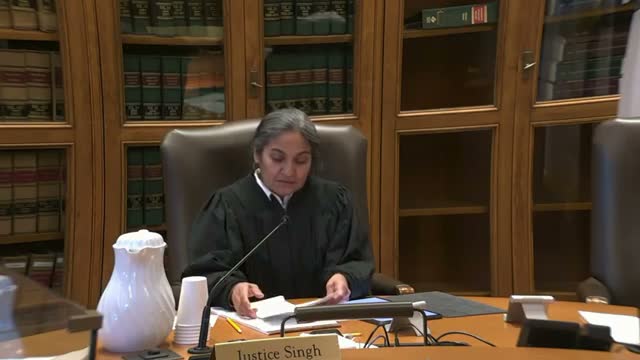
Summary
Defense counsel Justin Dashner told the appeals panel Greg McCollum lacked meaningful counsel for about a year and that unredacted medical records and limits on a head-injury expert prejudiced his OUI defense; the Commonwealth countered that warnings and later colloquy addressed waiver concerns. Decision pending.
An appellate panel heard argument in Commonwealth v. Greg McCollum as defense counsel argued that several systemic errors—including an effective yearlong denial of counsel, admission of unredacted medical records showing a "second offense" OUI, and limits on a head-injury expert—combined to prejudice the defendant's trial.
Justin Dashner, representing McCollum, opened by saying the proceedings "broke down the minute he was denied the right to counsel." He said the defendant spent roughly a year without meaningful representation during which critical pretrial motions were not pursued and that subsequent errors compounded the violation. Dashner conceded the record shows an unredacted statement indicating a second-offense OUI was presented to the jury and called that a "clear error" and "clear propensity evidence."
Dashner also argued the trial judge prevented the defense expert from explaining the medical-record term "unremarkable" in the context of a CT scan and told counsel not to invoke the word "concussion," hampering the central defense theory that the defendant's symptoms could stem from a head injury rather than intoxication. He told the panel those restrictions and prosecutorial statements that the defendant "did not have a concussion" mischaracterized the medical records and were prejudicial.
Jennifer Cohen, for the Commonwealth, urged affirmance. Cohen relied on case law including Gibson to argue that the totality of the record, including a later colloquy in which the judge warned the defendant about self-representation, did not show an involuntary waiver of counsel that would require reversal. On the redaction error, Cohen acknowledged the mistake but argued published cases show a single redaction error does not always require reversal in the absence of other compounding errors.
Justices questioned both counsel about the record, including whether adequate warnings were given, the role of later colloquies and whether the jury's exposure to an unredacted second-offense label was so prejudicial as to require reversal. After argument, counsel rested and the matter was submitted to the court. The court did not issue a ruling from the bench.