
Appeals court hears challenge to permanency ruling approving adoption goals over reunification
Get AI-powered insights, summaries, and transcripts
Subscribe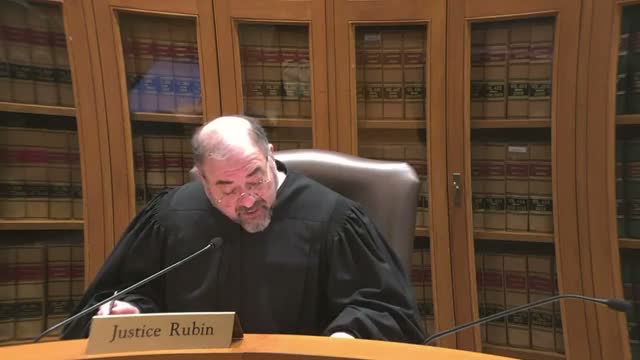
Summary
In a 29B appeal the mother argued the trial court approved adoption goals without an evidentiary hearing, that DCF failed to change internal goals after trial and that ICWA and due-process questions were unresolved; DCF urged limited review for abuse of discretion and said the court relied on permanency reports and submitted records.
Appellant counsel Natalie Hopple asked the panel to reverse and remand the permanency ruling approving adoption goals, arguing the lower court lacked an evidentiary basis to find the mother had gained no insight and that DCF’s internal concurrent-planning continued to press adoption despite the court’s post-trial findings favoring reunification. Hopple also raised a jurisdictional/ICWA concern about record procedures under the new juvenile court rules.
Deputy general counsel Kristen Braithwaite for DCF responded that the scope of appellate review of a 29B permanency approval is limited to abuse of discretion, and that the court relied on submitted permanency plans, DCF reports, and investigator materials — documents the parties could have challenged. Counsel for the minor children urged deference to the trial judge’s review of available reports and the limited scope of appellate review.
Bench questioning focused on what evidence was placed in the record (the permanency plan dated May 22, 2024, the DCF court report dated 09/30/2024 and investigator reports), whether an evidentiary hearing was waived, and what statutory effect approval of an adoption goal has on reasonable-effort obligations. The judges flagged gaps in the record about children’s current functioning and whether findings that 'mother gained no insight' rested on adequate evidence.
Why it matters: The court’s decision will affect how lower courts and agencies handle permanency planning, the evidentiary sufficiency required when changing goals from reunification to adoption, and how appellate review applies where parties proceed on written reports rather than live testimony.
Outcome: Arguments submitted.