
District reports rising graduation rates, RISE/Aspire score context and literacy gains
Get AI-powered insights, summaries, and transcripts
Subscribe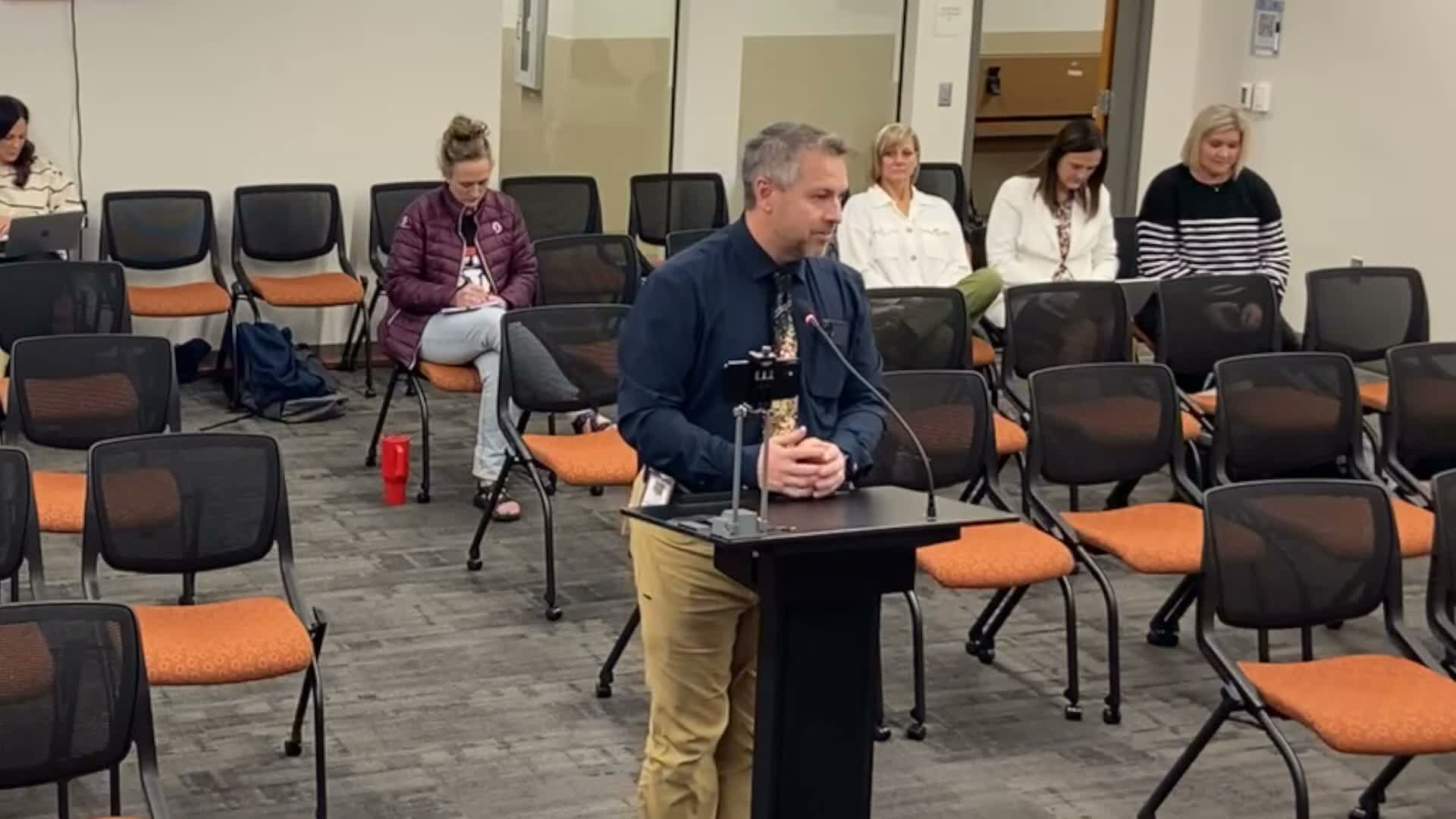
Summary
District leaders told the board that graduation rates have risen above the state average and dropout rates have declined; presenters contextualized RISE and Aspire test changes and outlined K–3 literacy interventions tied to SB127 third‑grade goals.
Assistant Superintendent Jeff (Mister Morris) presented assessment results and graduation data, saying the state graduation rate was published at 89.8% and the district has increased its graduation rate and lowered dropouts substantially. "We're above the state average in graduation for the first time in several years," he said, noting policy and testing changes complicate year‑to‑year comparisons for RISE and Aspire assessments.
Morris explained RISE changes (test redesign and differences between grade‑level versus subject‑based measures) make direct comparisons with past years difficult but highlighted gains in multiple grade levels and improved median growth percentiles across the district. He and staff described interventions such as mentoring, CTE pathways, Sunrise program adaptations, and targeted RTI meetings.
Literacy leads (Ashley and Heidi Jo) presented K–3 literacy goals aligned to SB127, explaining that the state now distinguishes 'blue' (90–100% likely to meet future benchmarks) and that the district has set kindergarten‑through‑third‑grade throughput goals to hit an 80% 'blue' target by 2027. Ashley described weekly RTI meetings, diagnostics, evidence‑based interventions and monthly kindergarten benchmarks used to track progress. She cited a recent first‑grade increase from 53% blue to 63% and said district supports include 162 K–3 teachers and 186 reading paraprofessionals.
Board members asked about midyear vs. end‑of‑year diagnostics, alignment across intermediate grades, and how MAP and other interim assessments are being used as three data points during the year. Staff said MAP alignment and more frequent benchmarking will help translate interim progress into improved RISE outcomes.
Next steps: continue district RTI work, align grade‑level standards across feeder schools, incorporate RISE benchmarks into instruction and provide board updates on interventions and graduation progress.