
District survey finds mixed support for an operational referendum; smaller ask scores higher among likely voters
Get AI-powered insights, summaries, and transcripts
Subscribe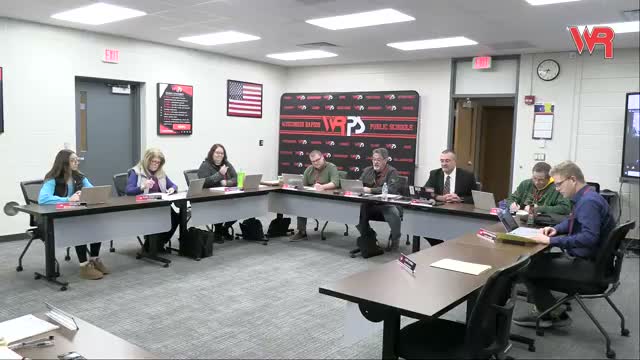
Summary
A School Perceptions survey of 2,276 district residents found majority staff and parent support for pursuing an operational referendum; when weighted for likely election turnout, a $3.5 million annual ask performed strongest while a $4.5 million ask was below 50%. The board scheduled follow-up work and outreach.
A consultant’s community survey presented Dec. 8 showed the Wisconsin Rapids School District has clearer backing from staff and parents than from unaffiliated residents for a potential replacement operational referendum, and that the size of the proposal sharply changes the likely vote outcome.
Scott Gerard of School Perceptions told the Board the survey drew 2,276 responses (a 14.1% response rate with a 2.1% margin of error). He said staff respondents were most supportive of pursuing an operational referendum (83% yes), parents were supportive (67% yes), and non‑parents/non‑staff respondents were split (48% yes). Gerard presented three modeled annual referendum options — $3.5 million, $4.0 million and $4.5 million — and showed weighted election‑day projections that account for the district’s voter composition.
Gerard and district staff explained the weighting used 25% parents and 75% non‑parents/non‑staff to estimate outcomes. Using that method, the presentation estimated that a $4.5 million annual referendum would fall short (about 41% support), a $4.0 million option would be near the margin (about 52.5% in the presenter’s calculation), and a $3.5 million option would exceed 50% comfortably (about 62.5%). Gerard emphasized the figures were predictions based on current sentiment and that outreach and message framing typically move outcomes.
The presentation also outlined which program areas community members said they would cut if no referendum passed: athletics/extracurriculars (45% of residents), course offerings (35%), school closures (34%) and technology updates (30%). District leaders noted that athletics comprise about 1.9% of the budget, a point the board said it will need to clarify in public messaging.
Superintendent Ron Rasmussen said administration will produce a one‑page summary of the survey results to publish on district social media this week and that the board will schedule a special meeting to discuss the survey and next steps, including potential outreach and public information work. Bridget Joyce, who said she is assisting with communications, outlined options for mailed newsletters, social media, flyers and community sessions to reach different groups of residents.
What happens next: the board plans a special meeting to review the survey and set direction for administration and communications. The district said building leaders will continue to review requests so specific referendum proposals can be developed if the board instructs staff to move forward.