Get Full Government Meeting Transcripts, Videos, & Alerts Forever!
Get email alerts on the Housing Policy topic
No spam. Unsubscribe anytime.
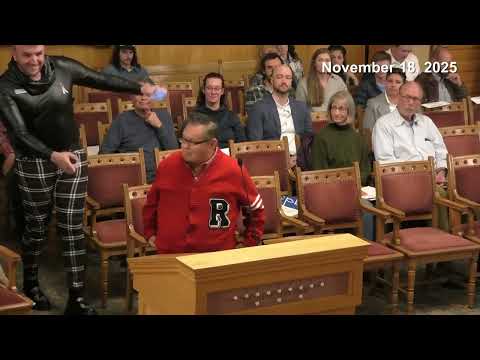
Council hears mixed testimony on RMF 35/45 zoning changes; action deferred
Summary
Council held a public hearing on proposed RMF 35 and RMF 45 multifamily zoning text amendments intended to enable moderate- and higher-density housing. Supporters said the changes unlock needed housing; opponents raised historic‑district and operational concerns. Council closed the hearing and deferred final action to a future meeting.
Salt Lake City’s council heard extended public comment on proposed amendments to RMF 35 and RMF 45 zoning rules aimed at enabling the kinds of moderate-density housing the zones were originally intended to allow. Council policy analyst Brian Fulmer introduced the proposal, which staff said would remove barriers such as minimum lot widths and outdated parking rules.
Supporters including Wasatch Advocates for Livable Communities argued the amendments would allow cottage courts, duplexes and other “missing middle” housing close to transit and help address affordability. Lauren Cole and Turner Bitton said outdated lot-size and parking requirements have frozen expected development in the zones and urged approval.
Opponents and nearby neighborhood representatives said the changes amount to upzoning that could harm historic districts and that the proposal lacks a community-benefit requirement. Cindy Cromer and Jim Jenkin asked why incentives for community benefits are not required and raised concerns about impacts in older infrastructure areas. Speakers representing First Step House and its architect warned that a 20-unit-per‑building maximum and a 100-foot building‑length limit in the ordinance could have unintended operational consequences for service‑rich facilities; they proposed exceptions allowing linked buildings with controlled connections to maintain security and staffing efficiencies.
Council member Wharton and others said additional study and follow-up questions are warranted; the council voted to close the public hearing and defer action to a future meeting so staff can address issues raised by First Step House and historic‑preservation concerns. No vote on ordinance text occurred at this meeting.