
Board approves after‑the‑fact feedlot variance with conditions for Barton operation
Get AI-powered insights, summaries, and transcripts
Subscribe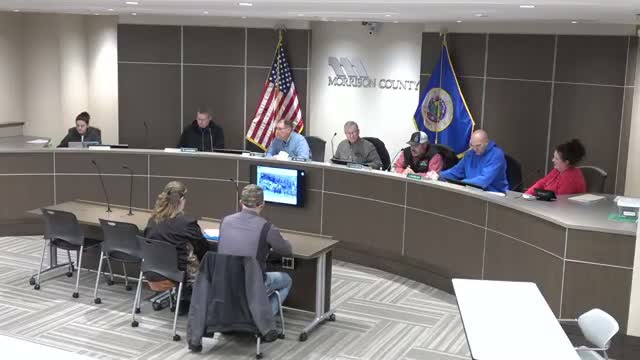
Summary
The Board of Adjustment granted Bruce and Sheila Barton an after‑the‑fact Tier‑1 feedlot variance for a 10‑acre Darling Township parcel, imposing conditions: maximum 100 animal units, a stacking slab if manure is stockpiled, permanent vegetative buffer at the relocated fence line and soil nutrient testing every four years.
The Morrison County Board of Adjustment approved an after‑the‑fact variance Dec. 9 that allows Bruce and Sheila Barton to continue a Tier‑1 feedlot operation on a 10‑acre parcel in Darling Township subject to conditions recommended by the county feedlot officer.
Land Services staff reported the 10‑acre site contained cattle and that the operator stated he had up to 90 head on site; staff cited the county ordinance in the packet and advised that Tier‑1 feedlot registration rules require a 20‑acre minimum contiguous parcel and 200‑foot setbacks from the road right‑of‑way and property lines as described in the staff report (transcript citation: ordinance section "12 weight 0.1"). The feedlot officer recommended limiting animal units to 100, requiring a stacking slab or small wedge pit if manure is stockpiled at the site, establishing a permanent vegetative buffer between the relocated fence line and the road ditch, and performing soil nutrient testing (nitrate and phosphorus) once every four years in the feedlot area.
Board members questioned the applicants about seasonal operation, manure handling and whether manure would be spread on other parcels owned by the family; the applicants said cattle are present primarily in the October–May period and that manure is moved off‑site to other acres they own. Members discussed the reasons for the 20‑acre standard (setback feasibility, density and runoff management) and emphasized that soil testing is meant to monitor nutrient buildup given the site soils and water‑table depth.
After completing the six required finding questions the board debated conditions and consistency with county feedlot rules. Marv moved to approve the variance with the feedlot officer’s recommended conditions and Clint seconded. The motion passed and the board adopted the conditions listed in the staff report. The board advised the applicants to continue working with the feedlot officer and Land Services on compliance and permitting.