
West Chester Area SD board votes to keep 2026–27 tax increase at Act 1 limit (3.5%)
Get AI-powered insights, summaries, and transcripts
Subscribe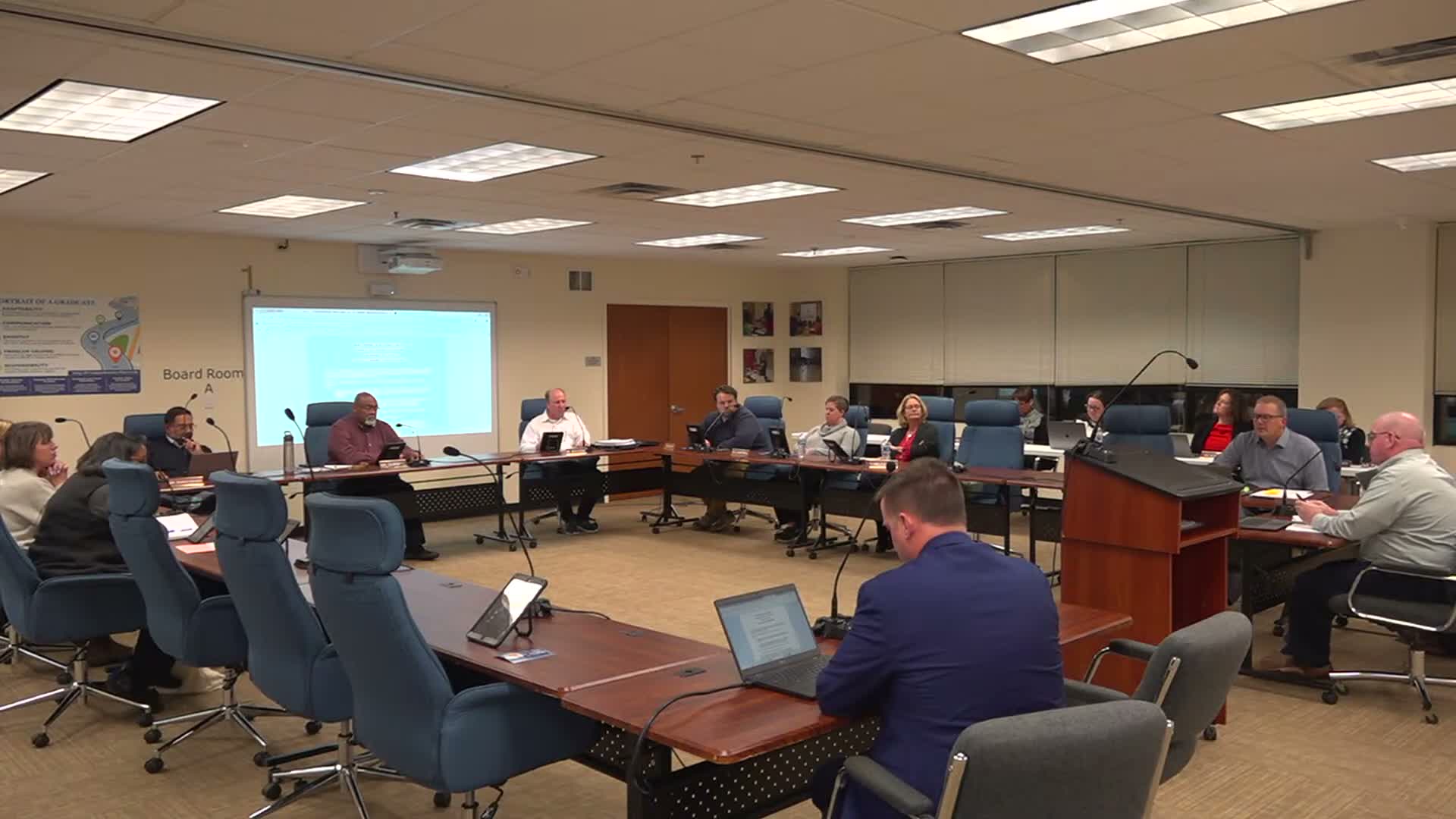
Summary
The West Chester Area School District board voted Dec. 15 to commit to not exceed the Act 1 inflation index (3.5%) for the 2026–27 tax year, declining to file for exceptions despite rising special-education costs and a projected $4–5 million budget gap.
The West Chester Area School District board voted on Dec. 15 to commit to a 2026–27 tax increase no higher than the Pennsylvania Act 1 inflation index, 3.5%, rather than seeking exceptions from the Pennsylvania Department of Education (PDE). The motion, recommended by the district administration, was forwarded from the Property & Finance Committee and carried on a roll-call vote.
Mister Scully, the district’s director of business affairs, told the committee and board that while the district qualifies for exceptions because of rising special-education costs, the administration believes it can balance the 2026–27 budget without requesting additional authority to exceed the Act 1 limit. Scully said the administration has already made noninstructional reductions and expects a narrower budget gap than previously forecast: from a November estimate of about $12.3 million to roughly $4–5 million as budget meetings continue.
Scully described several actions the district is taking to manage pressure on the tax rate: targeted cuts to professional development and administrative travel, anticipated transportation savings approaching $2 million over two years, and accounting decisions such as capitalizing certain software purchases and amortizing costs over multiple years. He also noted the district maintains reserved fund balances for staffing and health-care needs that could be used to close remaining shortfalls, and said the administration would return to the board if drawing those balances became necessary.
Board members who live in Delaware County said county-specific tax “step” values can amplify a districtwide increase for some homeowners and cited equity concerns as part of the rationale for avoiding an exception request this year. Scully said the district has not used Act 1 exceptions in five to six years and that the board will still have opportunities to review preliminary and final budgets under the approved timeline; if the district commits to the Act 1 index, the preliminary budget timing shifts to April with final approval in May.
The board also removed two Act 1 advertising items (agenda I5 and I6) from the consent agenda at the committee’s request so the full board would not proceed with exception-advertising steps tied to the alternative option.
The next formal budget steps — preliminary budget presentation and adoption deadlines for whatever path the board ultimately follows — remain subject to the district calendar and state timelines required under Act 1.