Get Full Government Meeting Transcripts, Videos, & Alerts Forever!
Get email alerts on the Public Finance topic
No spam. Unsubscribe anytime.
Council rejects 30‑year tax abatement for Newport Parkway project after heavy public opposition
Summary
Council members declined to approve a 30‑year financial agreement and tax pilot for 30 & 40 Newport Parkway, citing concerns that the deal would shift taxes away from schools and lock in long‑term exemptions; the ordinance was defeated following extensive public comment.
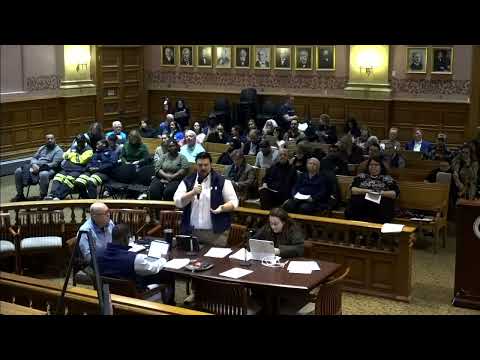
The Jersey City Municipal Council on Tuesday voted down a requested 30‑year tax abatement and financial agreement for a large waterfront project at 30 and 40 Newport Parkway, after public speakers raised fiscal, equity and neighborhood concerns.
Speakers opposed to the measure described a decades‑long pattern of tax abatements on waterfront properties that, they said, reduce school revenue and shift the tax burden to other residents. "When a developer asks the taxpayers for a 30‑year tax break, the burden of proof is on them to show they are providing a public benefit the private market cannot support," said a speaker who reviewed the project's cost estimates. Several parents, school advocates and trustees likewise urged the council to preserve tax revenue for public schools.
Supporters of the agreement, including some housing advocates and speakers who said the project would preserve or increase some affordable units, argued that the deal would lock in units at lower AMI (area median income) levels and renovate aging buildings. Proponents said the developer proposed converting some units to lower AMI bands and adding a small number of new affordable units.
Council members debated whether the developer’s renovations represented more than ordinary maintenance and whether the pilot terms improperly surrendered the city’s leverage before the expiration of existing state exemptions in 2028. Legal advisers and tenant advocates argued the property’s state mortgage exemption is scheduled to end in November 2028 and that city rent‑control protections would apply thereafter; opponents urged the council not to preempt that future decision by granting a 30‑year private contract now.
After the public hearing and deliberation, the council recorded a final vote defeating the abatement ordinance (25‑126) by 1–6–1, with Councilperson Saleh voting yes and Councilperson Hulings abstaining. The council’s rejection preserves the status quo and keeps open the option to revisit any proposal with different terms or additional public benefits.
Several speakers called for a review of past pilot deals and greater transparency in the city’s abatement policy; council members said they will continue to weigh requests for incentives against long‑term fiscal and equity considerations.
The motion’s defeat means the developer will not receive the requested 30‑year abatement at this meeting; advocates on both sides asked the city to continue public dialogue about affordable housing strategies downtown and about how abatements should be targeted.