Get Full Government Meeting Transcripts, Videos, & Alerts Forever!
Get email alerts on the Child Nutrition topic
No spam. Unsubscribe anytime.
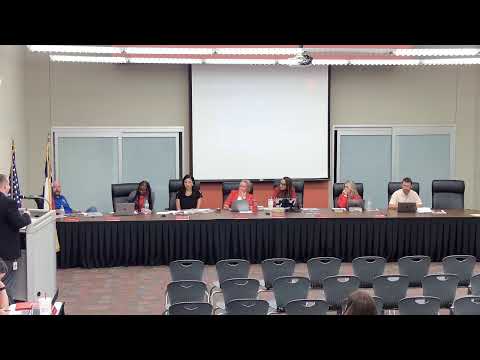
Crosby ISD nutrition director outlines options to curb rising unpaid meal debt
Summary
Nutrition director Theresa Edmonds told the board that unpaid meal charges and 'courtesy meals' have risen sharply since the district increased the meal‑charge limit in 2022 and laid out two policy options: reinstate lower charge limits with discreet alternative meals, or continue full-meal access and accept fiscal impacts to the general fund.
Theresa Edmonds, Crosby ISD director of nutrition services, told the board the district’s nutrition operation is self-funded — supported by meal sales and federal reimbursements — and that unpaid meal charges have risen substantially since 2022, when the board increased the allowable charge limit.
“While compassionate, [the change] has resulted in higher unpaid balances and more debt,” Edmonds said, and reported that the department served roughly 73,000 meal equivalents from Aug. 1 through Oct. 1. Edmonds also said courtesy‑meal costs escalated from about $142,300 in 2324 to $199,674.15 in 2425, and the district had already accrued $31,766.75 in courtesy meals for the current Aug. 1–Oct. 1 period.
Edmonds outlined two policy paths for the board to consider. Option 1 would reduce charge limits and provide discreet, value‑priced alternative meals after the limit is reached. “The pros are it reduces negative balances as fewer meals are charged,” she said, adding that alternative meals must be implemented carefully to avoid stigma. Option 2 would maintain unconditional full‑meal access after the limit, protecting dignity and avoiding visible meal‑downgrades but shifting more costs to the general fund.
She explained how the district has classified negative balances this year as both delinquent (potentially collectible) and bad debt (uncollectible), and said bad‑debt amounts are charged back to the general fund by year‑end. To reduce balances the department sends weekly emails and letters, uses SchoolCafe low‑balance alerts, provides principals monthly reports, and offers in‑person help with applications at open houses and community sites.
Board members asked clarifying questions about when the 2→10 meal change took effect and how Texas Department of Agriculture guidance affected the district’s ability to serve alternative meals. Edmonds said the board-approved change occurred in 2022 and that TDA guidance limited downgrading visible trays until February 2025, which contributed to the fiscal impact the nutrition department absorbed.
The report was presented for information; the nutrition director asked for board guidance on which policy path best aligns with district goals.