Get Full Government Meeting Transcripts, Videos, & Alerts Forever!
Get email alerts on the Bridges topic
No spam. Unsubscribe anytime.
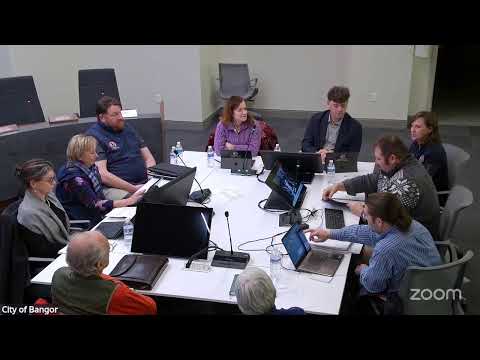
Infrastructure Committee reviews DOT plans to replace two I‑95 bridges, flags detours and pedestrian impacts
Summary
City engineering staff summarized two DOT I‑95 bridge replacement projects (Stillwater Avenue and a second I‑95 span near Broadway) with multi‑year schedules, estimated construction costs (Stillwater ≈ $42 million; second bridge ≈ $14 million), planned detours including an ~8‑month full closure and added sidewalks; committee requested more construction‑phase details and interagency coordination.
Jeff Davis, the city’s director of engineering, summarized two Maine Department of Transportation bridge replacements on I‑95 that will affect local traffic and pedestrian access.
Davis said the first project, the I‑95 bridge over Stillwater Avenue, is a complete replacement that will change from multiple shorter spans to a single longer span to reduce joints and maintenance. "Stillwater totals will be a little over 42,000,000," Davis said, and the construction contract and construction engineering (CE) work were described separately in the DOT materials he reviewed. The presentation referenced a second I‑95 bridge project (transcript uses varied spellings for the location); Davis described it as a four‑span bridge about 220 feet long with an estimated cost near 14,000,000.
The committee heard that the DOT plans design and construction work to minimize traffic impacts. For Stillwater, Davis said staging should avoid building a temporary bridge and keep traffic largely in place. For the second I‑95 bridge project, Davis said the work will require a closure of the local crossing for roughly eight months with a detour routed out to O'Hog Street and permanent intersection improvements along the detour route.
Davis also described design features the projects will add: reducing the number of spans to increase durability, protecting bearings, and adding pedestrian access. "They're going to add a new 6 foot sidewalk on the north side of the [bridge]," he said. He noted the bridge deck itself may not include a dedicated bike lane but opportunities for shared lanes or bike facilities adjacent to the bridge remain under consideration.
On schedule, Davis read DOT milestone dates from the project materials: mobilization for Stillwater in January 2026, phased closures and detour openings in 2026–2028, and a target for substantial openings in 2028 with overall completion dates near 2029. He cautioned visuals were hard to read on the meeting screen and said staff will share clearer plans as they receive them.
Committee members sought clarification about emergency‑services routing and department review of detours. Davis said the city provides recommendations but DOT sets the formal detour, and that DOT retained a public‑information firm to coordinate outreach. "They'll help with that," Davis said, and he offered to follow up with city departments and DOT about construction‑phase coordination.
Councilor Dean asked about bridge lifespans; Davis said many existing bridges date to the interstate era (1950s–60s) and modern replacements are designed for substantially longer service lives — he cited design targets of roughly 75 to 100 years.
What happens next: staff will request and circulate clearer DOT construction‑phase plans and detour diagrams for review, coordinate with the police and fire departments as needed, and return updates to the Infrastructure Committee in upcoming meetings.