Bethlehem Central board reviews three rezoning options as Clarksville residents press for pause
Loading...
Summary
Consultants presented three elementary‑school rezoning options aimed at rebalancing enrollment; Options 1, 2 and 2a would move roughly 157–231 students. Parents—especially from Clarksville—urged the board to delay decisions, citing short notice, long bus rides and harm to special‑needs students.
Consultants from Tyler Technologies presented three fresh elementary‑school rezoning options to the Bethlehem Central School District Board of Education on Monday, saying the proposals are intended to rebalance enrollment, preserve two sections per grade in every building and keep transportation impacts small.
Ted Thien of Tyler Technologies summarized the process and goals, saying the district faces overcrowding in some schools—"about 36 students or so in Eagle and about 77 students in Glenmont"—and that the committee built options that try to move whole neighborhoods while limiting transportation and classroom disruption. Thien described Option 1 as a lower‑impact map that would move about 157 students and phase some shifts to align with planned renovations; Option 2 would move larger numbers and create an overload at Slingerlands that led the consultants to produce Option 2a, a higher‑impact variation that affects roughly 231 students to keep cohorts together.
Tim Ammon, also with Tyler, explained the projection method used to forecast enrollment, calling it a "cohort survival" model based on five years of historical data and district‑wide averages. He said applying a district‑wide survival ratio added roughly 28 students to the 2031 projection and cautioned that grade‑to‑grade ‘‘bubbles and troughs’’ can change school totals year to year.
Board members pressed the consultants on specifics: why certain neighborhood planning units (MPUs) were assigned to particular schools, why Some moves would be delayed until 2028–29 to match construction schedules for Ellesmere, and how transportation was modeled. Tyler said transportation analyses were completed for the community‑forum options and subsequent committee variations and that the newest options show only modest changes in vehicle hours—though some scenarios could require an additional bus in planning.
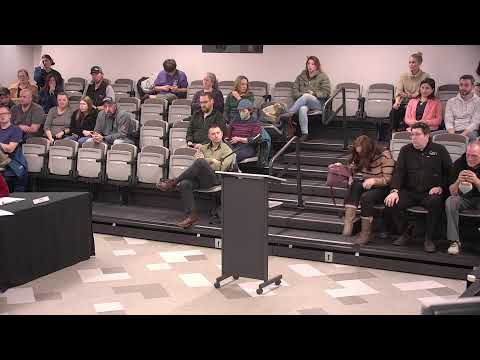
Public comment consumed much of the meeting. Dozens of parents and residents spoke, many from the Clarksville area and several neighborhoods identified as MPU 65/65.2 and MPU 51, saying they got little notice that their houses were included in the newest maps and urging the board to pause. "This is rushing," said one parent; another, a pediatric nurse, asked the board to "pause any final decisions" and stressed that frequent school transitions can harm young children and compound stress for those with special needs. Several speakers said the committee selection and the release timing made the process favor the most vocal early responders rather than a broad cross‑section of the community.
Board members acknowledged the volume of public feedback and confirmed the zone committee was scheduled to meet again on January 14 to consider the new material; the board has a regular meeting slated for January 7. The district chair noted the board had received many emails and that those messages had been added to the committee folders for review.
On routine business, the board approved consent agenda items including minutes from the Dec. 3, 2025 meeting, finance items, professional and support personnel actions and an additional non‑personnel action; each passed by voice vote. The district recognized multiple long‑service employees and retirees during that portion of the meeting.
Next steps: Tyler and the zone committee will review community feedback and the newly developed Option 2a before returning recommendations to the board; the board did not take a final rezoning vote on Monday and indicated it expects more committee work and public engagement in January.