Get Full Government Meeting Transcripts, Videos, & Alerts Forever!
Get email alerts on the Accountability topic
No spam. Unsubscribe anytime.
Virginia Board affirms 2025–26 as preparation year and outlines phased plan to raise cut scores, add history to accountability
Summary
The Virginia Board of Education voted to make 2025–26 a preparation year while staff refines a phased plan to raise math and reading cut scores, add a history indicator to the accountability index, expand performance-based assessment options under HB 19 57 and coordinate with the U.S. Department of Education on data requirements.
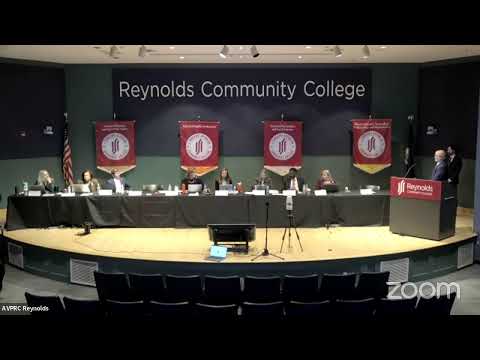
The Virginia Board of Education on Nov. 13 voted to designate the 2025–26 school year a preparation year, pausing implementation of higher cut scores for spring assessments while the Department of Education develops supports and data processes for a multi-year phase-in.
Board members heard an extended presentation from department staff about proposed changes to the consolidated ESSA state plan, including adding a history indicator to the accountability framework, introducing an interim “approaching” performance level during the phase-in, and incorporating integrated reading and writing (IRW) and other performance-based assessments into future calculations. Mark Jennings, presenting for the department, said the department will follow HB 19 57’s statutory criteria when building rubrics and scoring protocols for permissive local alternative assessments (PLAA).
Why it matters: staff and educators told the board the changes are intended to raise expectations and better align Virginia to national norms. Deputies emphasized the need for substantial supports — from teacher training and item maps to disaggregated impact data — so students and divisions can adjust without unintended consequences for graduation-ready pathways.
What the board did: after public comment from dozens of educators, parents and advocacy groups, the board moved and carried a motion to formally affirm that the current year is a preparation year and that the phased approach to raise cut scores will proceed with a temporary approaching category that will count as passing during phase-in. The motion was approved by roll call (Aye recorded from voting members present).
Key technical points and next steps: Jennings and deputy superintendent Booker Dwyer told the board that the U.S. Department of Education (USED) requires at least two consecutive years of consistent statewide data before alternative assessment results can be used for federal accountability; staff therefore plan a multi-step timeline that includes: final external validation of proposed frameworks, development of rubrics and auditing procedures, two years of statewide calibration data, and a peer review with USED. The department also plans targeted professional learning, parent messaging focus groups, and test resources (item maps, exemplar performance-level descriptors) before returning recommendations for decision at the Dec. 11 meeting.
Voices from the field: educators and associations offered mixed feedback during public comment. Several social-studies leaders and performance-assessment advocates urged delaying accountability changes until PLAA implementation mechanisms and comparability safeguards are finished. Other speakers, including parents and superintendents, urged more rapid adoption of higher expectations for math and reading cut scores. ‘‘We need to raise the bar so students who graduate are held to a level comparable with other states,’’ said Todd Truitt, a parent from Arlington in public comment.
How student outcomes will be handled during the phase-in: staff clarified that students who have already taken tests will remain held to the cut score in effect at their initial administration for retake purposes; verified-credit pathways, retake policies and graduation rules will remain available and unchanged in structure. Staff also said they will present division- and student-group-disaggregated projected impact data to the board and divisions prior to implementation to inform supports.
What’s next: the department will finalize external validation work, convene parent focus groups on messaging, publish impact spreadsheets disaggregated by student groups, and bring refined recommendations back to the board on Dec. 11 with implementation timelines, rubrics and supports. The board’s affirmation of the preparation year allows the department additional time to finish those materials before changes affect spring assessment reporting.