
Wake County reviews behavioral-health strategy: attendance, SEL screening and restorative practices
Get AI-powered insights, summaries, and transcripts
Subscribe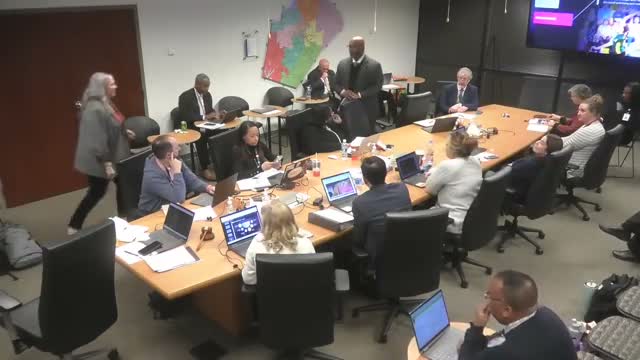
Summary
Board members received a deep dive on priority 2 (student disposition and well-being): an attendance target of 95%, use of the BIMAS teacher screener (67,000 students screened last year), plans to pilot parent and student screening, and expansion of restorative practices and school-based mental health supports.
The Wake County Board of Education’s work session included a substantive presentation on behavioral health and student well‑being, centering on attendance, social-emotional screening and restorative approaches.
Lede: Staff told the board the district’s attendance goal is for students to attend at least 95% of their days in membership. Presenters described diagnostic work, data-quality improvements in Infinite Campus, and interventions to reduce chronic absenteeism.
Nut graf: District staff outlined layered supports: refine record-keeping and timing of attendance entry, explore real-time notifications to families via Infinite Campus or SchoolMessenger, expand the teacher-administered Behavior Intervention Monitoring Assessment System (BIMAS) screener to cover more schools, pilot parent participation in screening, and continue investment in school-based mental health and restorative practices.
Key details: Staff reported that approximately 67,000 students were screened last year via teacher forms; the district plans full teacher-form implementation by the end of the school year and a small pilot to include parent forms in the spring. The BIMAS (Behavior Intervention Monitoring Assessment System, teacher form) is a 34-question observational instrument used to identify early needs and guide tiered responses (classroom interventions, counselor small groups, referrals to school-based mental health or community partners). Care coordinators and partners such as Alliance were described as part of the countywide referral and follow-up process for higher-intensity needs.
Quotes and exchanges: Board members pressed on correlations between attendance and academic outcomes, teacher attendance, and how students recognize emotional need. Staff said district efforts include the Second Step curriculum (K–12), staff training, small-group interventions, teletherapy referrals and partnerships with community providers to ensure continuity of care.
Next steps: Staff will finish rolling out the teacher BIMAS form this school year, pilot parent screening in spring, pursue deeper data triangulation (teacher, parent, student forms), continue restorative-practices training, and return to the board with discipline and climate data in January.
Ending: No formal decisions were taken; the session concluded with board direction to pursue the listed next steps and a motion later to enter closed session for confidential personnel matters.