Get Full Government Meeting Transcripts, Videos, & Alerts Forever!
Get email alerts on the Administrative Approval Policy topic
No spam. Unsubscribe anytime.
Lake City planning board tables administrative‑approval text amendment, asks for historic‑preservation analysis
Summary
Board members raised concerns that large administrative thresholds could remove public hearings for projects near residences or in historic areas and asked staff to research interactions with historic‑preservation rules before proceeding with LDR25‑02.
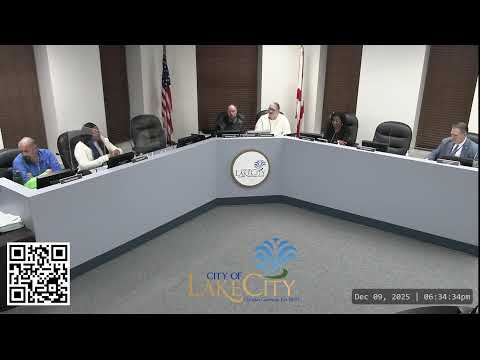
After staff presentation of LDR25‑02 — a proposed Land Development Regulation amendment to permit administrative approval of certain site plans and Live Local Act affordable housing projects — the Lake City Planning & Zoning Board agreed to table the proposal and requested additional research.
Staff described three threshold options: the packet option (7,500 square feet), a higher threshold matching neighboring Live Oak (20,000 square feet of building area or 40,000 square feet of impervious surface), and a variation that would treat developments contiguous to residential districts differently. The staff presentation emphasized that an administrative approval process expedites lower‑impact projects by avoiding public hearings and advertising timelines, but would keep the same internal staff review.
Several board members voiced concern about removing opportunities for public comment, particularly on larger projects or those adjacent to residential neighborhoods. A member said, "If it's around residential neighborhoods ... people should have the option to come here and say what they need to say." Board members also requested clarity on how Live Local Act provisions might allow expedited demolition in historic districts and whether that would bypass the Historic Preservation Agency.
Staff agreed to return with a workshop that includes research on interactions with historic‑preservation rules and recommended threshold language; the board signaled a preference for retaining the 7,500‑square‑foot option or a residential‑contiguity carve‑out as the base approach.
Next steps: Staff will research historic‑preservation implications and other boards' roles, prepare a workshop for a future meeting, and provide an amended draft for further consideration.