
South Bend council approves $2.1M in appropriations and several budget transfers
Get AI-powered insights, summaries, and transcripts
Subscribe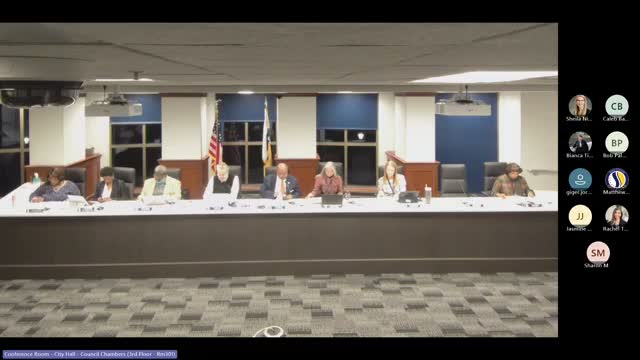
Summary
The Common Council adopted substitute ordinances that appropriate $2,098,300 from the general fund and approve multiple interdepartmental transfers; city controller said overtime increases in the Fire Department are offset by higher EMS revenues. A resident criticized the city's use of borrowing and transparency.
The Common Council of the City of South Bend adopted a package of supplemental appropriations and budget transfers on third reading, approving a substitute appropriation ordinance that includes $2,098,300 from the general fund and specified sums from motor-vehicle, COVID-19 response, Morris Performing Arts Center capital, parking garage and several utility funds.
City Controller Kyle Willis told the Committee of the Whole that the largest single addition in the package is a $750,000 increment to cover increased overtime in the Fire Department. Willis said the overtime spike stems from a record number of retirements and two new recruit classes this year (a total of 29 new hires), and that higher emergency-medical-service revenues'about $2.6 million this year, compared with roughly $1.2 million last year'help offset the expense.
At the public hearing, resident Sue Kessel (4022 Kennedy Drive) criticized the administration and council, saying the city is "piling on debt" and that borrowing is eroding long-term financial flexibility. "This community's future is being mortgaged by you," Kessel said, urging more disciplined long-term budgeting. Controller Willis replied that the listed appropriations are not debt and that financial reports are available on the city's website.
Council members asked whether the appropriations would change property-tax bills; Willis said property-tax rates are set at the state level and the appropriations authorize the spending of revenues the city already receives rather than directly increasing tax rates. He said that without appropriation, affected line-item accounts could end the year negative and that transfers and outside grant revenues are commonly used to manage those gaps.
The committee voted 9–0 to send the substitute appropriation ordinance to the full council with a favorable recommendation. On third reading the council adopted the ordinance by roll call, recorded as nine ayes.
The ordinance includes detailed fund-line appropriations and fund numbers; the controller and council members said they will continue to monitor year-end account balances and revenue offsets.