
Public witnesses urge caution on 'education transformation' and call for robust fiscal analysis
Get AI-powered insights, summaries, and transcripts
Subscribe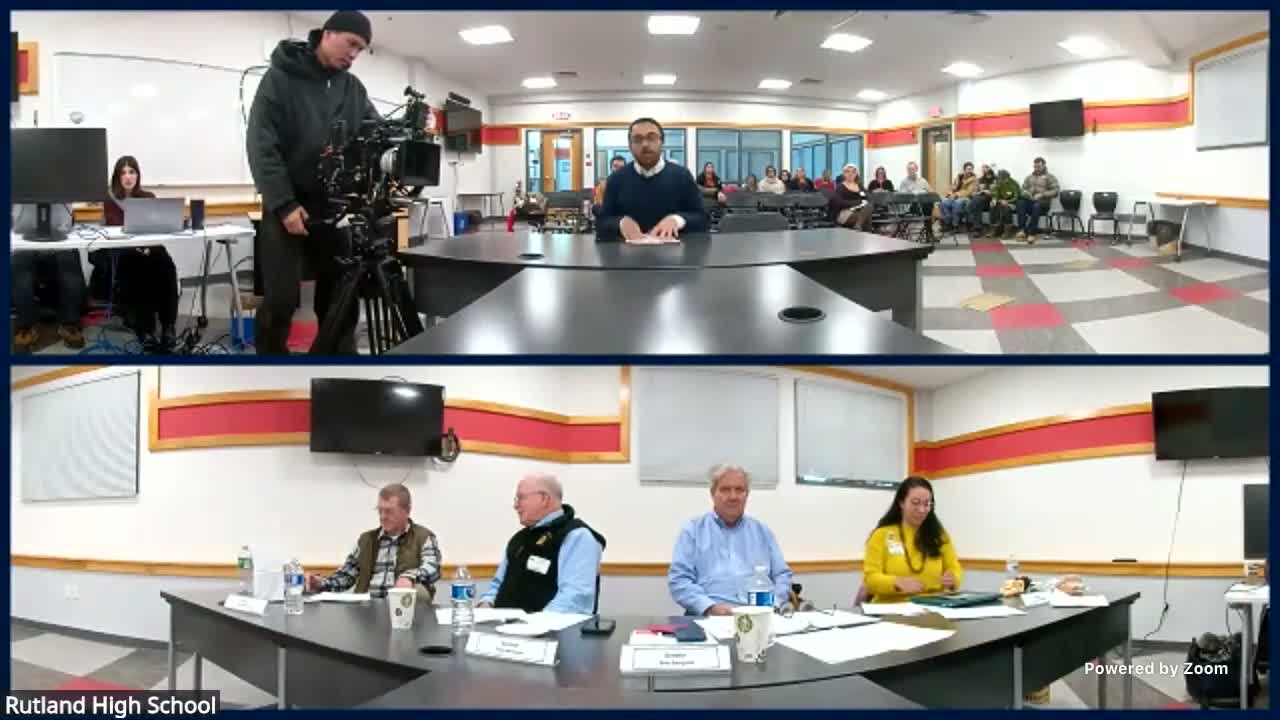
Summary
Two public witnesses told the Senate Education Committee that the state's education transformation law (Act 73) risks fiscal instability and loss of local voice; one speaker urged replacing the education secretary nominee and both called for detailed fiscal modeling and stakeholder engagement before major structural change.
Two members of the public testified to the Senate Education Committee during its site-visit hearing that the implementation of the education transformation law warrants greater caution, clearer vision and stronger fiscal analysis.
"Vermonters sent a very clear message that property taxes were crushing that," said Nikhil Goyal, a Burlington resident and sociologist at the University of Vermont, as he criticized the implementation approach for the education transformation bill enacted earlier in the year. Goyal said the reforms "neither had public support nor basis in research" and argued they were unlikely to reduce property taxes. He also called for a new secretary of education, saying "Zoe Saunders lacks the vision and trust to run our Agency of Education" and noting her seven years at Charter Schools USA.
Erica McLaughlin, a Mendon resident who works for the Vermont Principals Association and served as a principal for 17 years, gave extended testimony urging a slower, data-driven approach. She cited the FY27 school district budgeting resource and a set of structural cost pressures — rising salaries, surging employee health insurance costs and expanded mandates such as universal school meals and lead/water testing — that she said make rapid restructuring risky. "Act 73...is likely in the near term to produce fiscal instability and increased costs as new districts are formed and contracts are renegotiated," McLaughlin said during her remarks.
McLaughlin and other speakers highlighted several fiscal figures presented during testimony: FY2024 general fund salaries were stated as approximately $1.1 billion; public school employee health insurance was cited at roughly $365 million with premium growth of 16 percent in FY2025 and 12 percent in 2026; districts were advised to plan for an average 13.7 percent increase entering 2027. Witnesses also said the legislature used one-time funds and fund transfers to "buy down" property taxes this year, reducing the education fund balance and complicating near-term district budgets.
Both witnesses urged the committee to require robust fiscal modeling, gap analyses and broad stakeholder engagement before further structural changes. McLaughlin recommended strengthening the Agency of Education’s capacity to support districts through any changes rather than merely regulating them.
Committee members engaged with witnesses about the underlying cost drivers and agreed that healthcare inflation, demographic change and mandates play large roles in budget pressure. The committee took no formal action at the site visit; the hearing concluded after public comment and discussion.