
Cary CCSD 26 hears proposal to add submetering and analytics to cut demand charges
Get AI-powered insights, summaries, and transcripts
Subscribe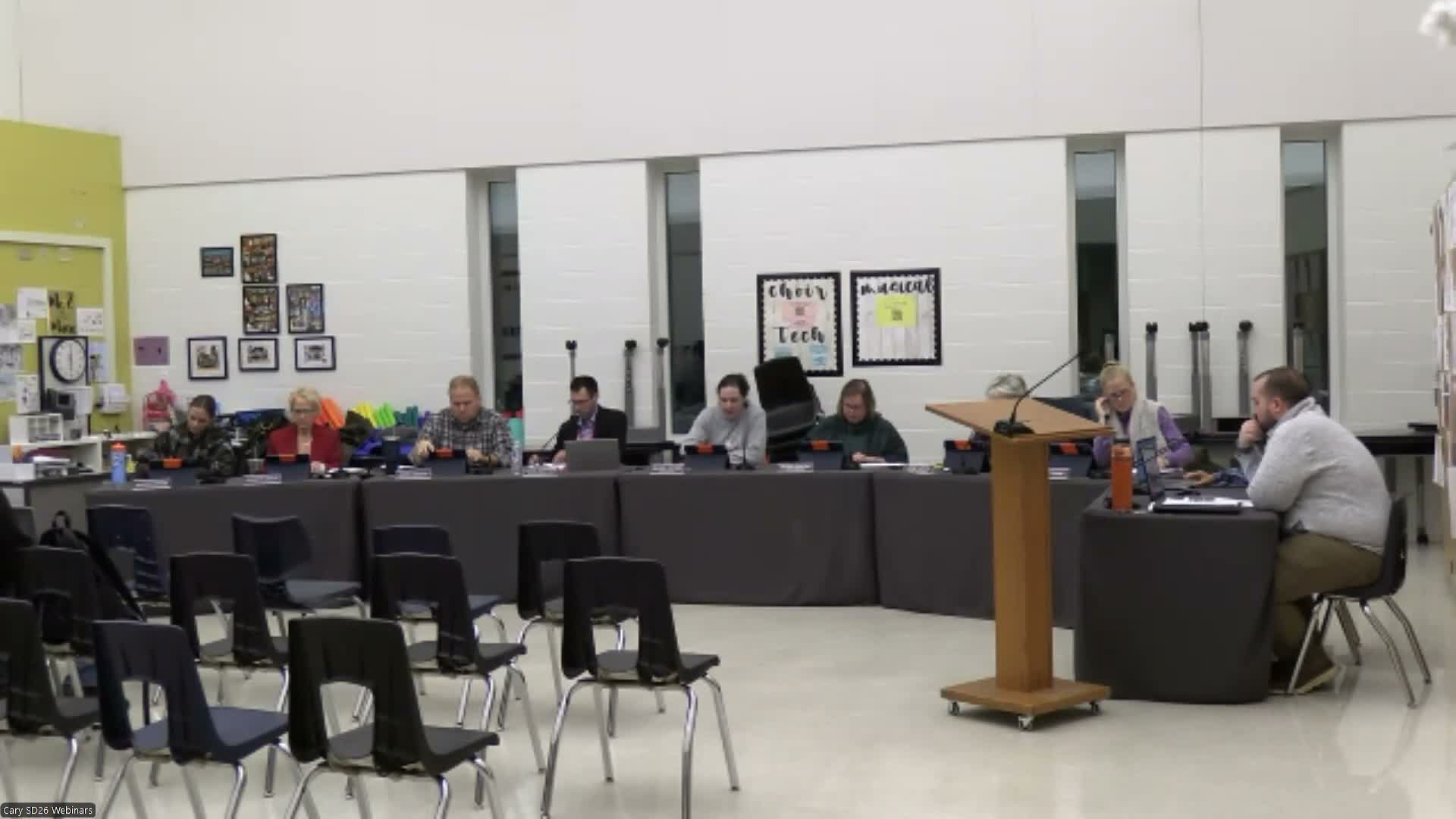
Summary
A vendor, Data Wranglers, proposed installing building‑level meters and software to track and reduce utilities’ demand charges. The vendor estimated a roughly $10,000 installation and an $800 monthly service fee with an average 15% bill reduction and about a five‑month payback; the board asked staff for references and asked the vendor to return with a proposal next week.
Data Wranglers representatives presented to the Cary CCSD 26 board on Dec. 8 proposing submeter installation, analytics and monthly advisory services to reduce the district’s electric demand charges.
Jim Kepi of Data Wranglers told the board the company installs meters and CTs behind the utility meter and uses software to identify short, high 30‑minute peaks that drive large portions of commercial school bills. “One onetime peak in the month can cost you more than all the energy this building is consuming in the monthly period,” Kepi said, describing an example bill where the energy supply was $6,000 of a $19,000 bill and distribution/transmission/demand charges composed most of the remainder.
Why it matters: District staff estimate the district’s electricity bills at about $500,000 last fiscal year; Fund 20 operations and maintenance is roughly $2.3 million. Because utilities increasingly base charges on peak demand rather than just energy usage, submeter data can show when HVAC startups, food service loads or overnight cycling create expensive spikes and guide targeted controls and scheduling changes.
What was proposed: The vendor offered an early‑adopter installation price of about $10,000 for one building and a monthly service fee of $800 that includes software access, monthly site visits and technical support from rate experts and electricians. Kepi said the company typically sees about a 15% reduction in electric bills on average, with season and building differences, and that a five‑month simple payback on the installation is possible in favorable cases. The vendor also offered a one‑year opt‑out clause in a three‑year agreement.
Board questions and clarifications: Board members asked whether the fee is per building (the vendor said yes), how solar installations interact with demand charges (the vendor said solar can reduce daytime energy but does not always eliminate HVAC startup peaks), and whether storage would be needed (vendor: storage can help but is expensive; first gather data). The vendor described a tactical fix used elsewhere—staggering HVAC unit startups—which reduced an identified spike and saved roughly $1,500 a month on one example bill.
Next steps: District staff and board members requested references and asked the vendor to return with a formal proposal at next week’s meeting. Treasurer/business staff (Dave Shepherd) also noted the district is negotiating supply rates (Constellation) and that metering can help track the dollars and cents impact of solar and rate changes.
What this does not say: No formal contract was approved; the board requested additional information and references before deciding whether to adopt the service.
Sources: Presentation and Q&A at the Dec. 8, 2025 Cary CCSD 26 board meeting. Vendor statements and district budget estimates were recorded on the public transcript.