
Washington Gas asks PSC to approve 2026 STRIDE project list; commissioners weigh NextGen Energy Act compliance
Get AI-powered insights, summaries, and transcripts
Subscribe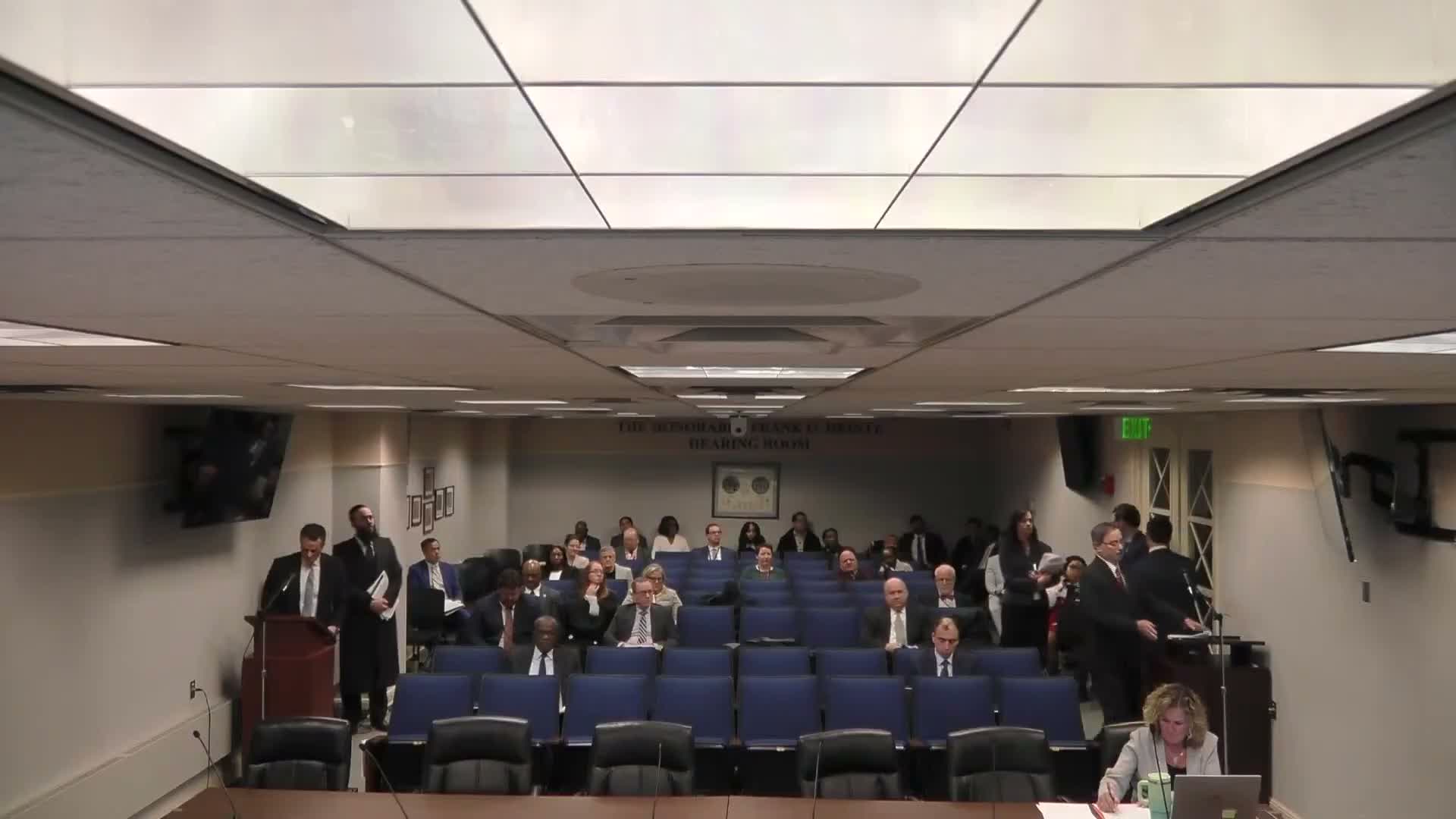
Summary
Washington Gas asked the Public Service Commission to note and approve its 2026 STRIDE (SCRIBE) project list and surcharge. The Office of People's Counsel urged deferral until a NextGen Energy Act compliance filing arrives; commissioners took the matter under advisement pending that filing and further review.
Washington Gas Light Company asked the Public Service Commission on Dec. 17 to approve its calendar-year 2026 STRIDE project list and associated surcharge, a routine annual filing that the company said allows construction and billing to proceed in 2026. WGL said it proposed roughly 151 projects with an estimated 2026 STRIDE project cost of approximately $60 million and described planning, permitting and engineering work already underway.
Staff reviewed the filing and reported no accounting errors in the proposed surcharge. The Office of People's Counsel (OPC) urged the commission to delay action until WGL files a NextGen Energy Act (NGA) compliance filing ordered by the commission, arguing the NGA requires explicit analysis of non-replacement alternatives and other new plan elements. OPC recommended that only projects where "ground has actually been broken" proceed until the NGA review is complete, or that WGL refile its surcharge to include only past projects.
Washington Gas responded that the NGA focuses on STRIDE plans rather than on project lists and that the act is not retroactive; the company argued approving the 2026 project list would not stop the commission from reviewing or revising its STRIDE plan based on the forthcoming compliance filing. WGL cautioned that delaying the project list approval could disrupt permitting, contractor scheduling and construction readiness.
Commissioners pressed the company to define when a project becomes "ongoing" and what level of pre-construction work qualifies a project to continue. Company engineers described a process by which projects are identified by a risk-ranking model, prioritized and then advanced into engineering and permitting, after which they are considered ongoing. Several commissioners expressed concern that approving the project list before reviewing the NGA compliance filing could result in projects proceeding that might later be deemed noncompliant.
After extended discussion and questions, the commission took the WGL filing under advisement to review the company's compliance filing and allow intervenors to comment. Staff and OPC indicated they would seek additional data and suggested the commission might require reporting or other remedial measures depending on the results of the NGA compliance review.