
Interim CFO outlines budget risks, urges planning amid federal and state uncertainty
Get AI-powered insights, summaries, and transcripts
Subscribe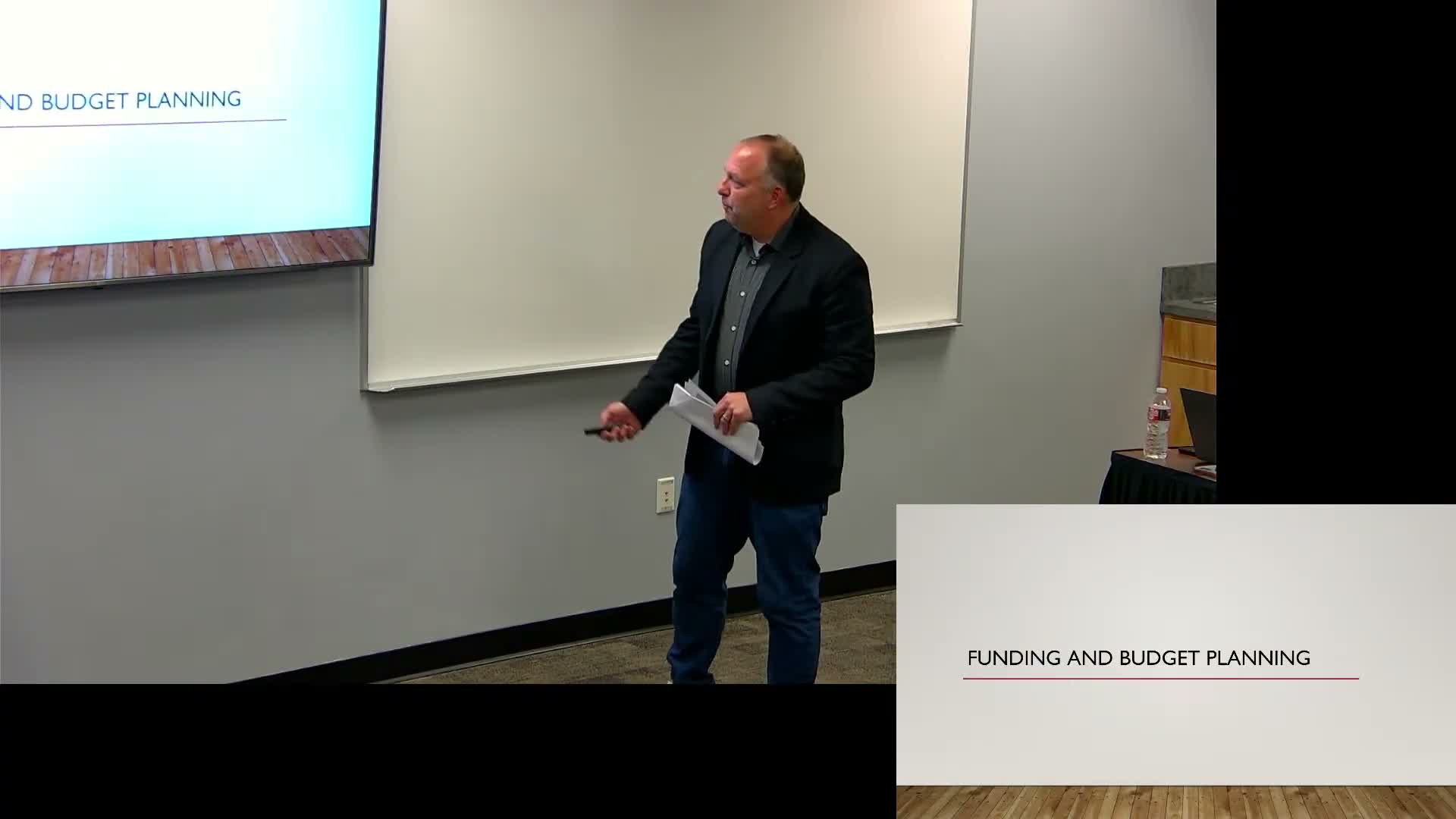
Summary
Interim CFO Jonathan Gilliam told the KUNA JOINT DISTRICT board the district should prepare for possible federal and state funding shifts—including discussion of up to 15% program reductions—while noting current figures are preliminary and urging caution rather than immediate cuts.
Jonathan Gilliam, the district—s interim chief financial officer, told the KUNA JOINT DISTRICT board that while final numbers are not yet available, recent federal and state signals warrant careful budget planning. He flagged proposals discussed by the Association of School Business Officials that could reduce some federal program funding by as much as 15 percent and outlined state revenue projections that show potential multi-million-dollar shortfalls.
Gilliam said the presentation was intended to provide context rather than precise figures. "We're not gonna panic," he said, adding that the board should "be mindful but don't panic" and begin scenario planning in case funding streams change.
Why it matters: Special education costs are rising for districts and charters, Gilliam said, creating general-fund pressure even where federal and state programs provide partial funding. He noted the federal goal for special education funding has been stated historically near 40 percent of costs, while the national average is closer to 18—20 percent; he said KUNA JOINT DISTRICT's special education rate is 15.9 percent. The superintendent has proposed $50 million at the state level to help offset rising special-education costs.
The board asked for district-specific follow-up. One trustee requested a clear breakdown of how much of the district—s current expenditures are tied to special education so trustees can understand the scale of potential impacts. Gilliam agreed to provide that overview for the board.
Supporting details: Gilliam reviewed state revenue projections and cited articles estimating statewide shortfalls on the order of hundreds of millions of dollars; he said projections have changed in recent weeks and that caution is needed when forecasting.
What comes next: Gilliam said staff will continue to monitor legislative developments and revenue updates, watch for bills affecting K-12 funding, and present district-level expenditure summaries and planning scenarios when more complete data are available.