
Centennial School District outlines immigration-response protocols, staff training and family resources
Get AI-powered insights, summaries, and transcripts
Subscribe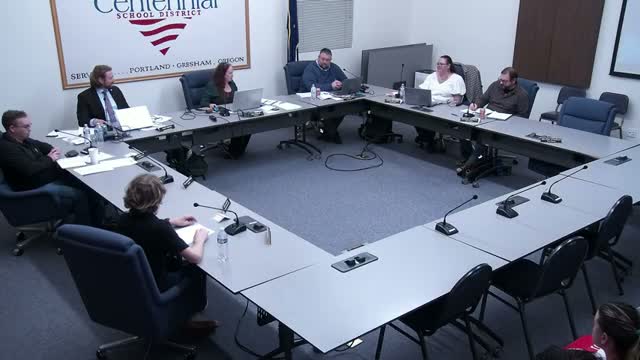
Summary
Superintendent Owens and district staff presented revised immigration-response protocols Dec. 10, emphasizing FERPA protections, staff training, multilingual communications (ParentSquare and a new web page), and case-by-case safety responses; district reported 10–15 CVA enrollments tied to family concerns and no formal protocol activations to date.
Superintendent Owens and district staff presented an overview of Centennial School District’s immigration-response protocols to the board on Dec. 10, emphasizing staff training, family communications and legal limits on district authority.
The district said protocols first issued in 2017 have been updated to reflect FERPA, OSBA guidance and current law, and were revised again in 2024–25 to align procedures across sites. Superintendent Owens said the protocols focus on protecting student privacy, safeguarding access to education regardless of immigration status and ensuring interactions with federal officials occur within legal boundaries and with district legal counsel as needed. “These circumstances reinforce the importance of clearly outlining the district's responsibilities and the actions that we are taking in response,” Owens said.
Director Wright described how fear and anxiety have affected students and families and outlined supports schools are using, including counseling, outreach by bilingual liaisons and targeted family assistance when a parent is detained. Staff described concrete supports: schools have provided letters documenting impacts to students, helped arrange basic supplies for affected households, and offered the Centennial Virtual Academy (CVA) option; the presentation said 10–15 students have enrolled in CVA citing well-being concerns.
District staff described training and communications: role-specific training for administrators, secretaries, campus safety liaisons and bus drivers; a district-wide training session attended by about 60 staff; multilingual flyers and an immigration resources web page; and routine messaging through ParentSquare, which the district says auto-translates messages into the home language recorded in the student information system.
On operational questions, staff said responses are case-specific. For example, at bus stops the district prefers situational judgment: if law enforcement activity makes the stop unsafe, drivers may keep students on the bus and contact transportation supervisors or return students to school for administrator follow-up. The district reiterated that federal law enforcement authority cannot be overridden by local policy and that its protocols require verification of warrants and identification and consultation with district office staff and legal counsel before releasing student information.
Board members asked whether community groups could serve as observers or partners during incidents and whether district communications could be more visible; staff said partnerships depend on circumstances and agreed to consider clearer subject lines or principal-led messages for site-specific incidents. Staff also cautioned about creating identifiable databases of families affected by enforcement actions and said any tracking of incidents must preserve discretion and privacy.
Superintendent Owens said the district will continue to refine the protocol as laws and guidance evolve, expand multilingual resources, reinforce trauma-informed supports and refresh staff training. The board invited additional questions and asked staff to provide follow-up materials as needed. The presentation concluded with an open offer for board members to submit further questions to district leadership.